
Bonarda: El secreto mejor guardado
Descubrí la intensidad frutal y el carácter vibrante de la Bonarda, una cepa que conquista sin alardes
Originaria del Piemonte y reinventada en Argentina, Bonarda ofrece vinos jugosos, de taninos suaves y alma popular. Desde San Rafael hasta el Este mendocino, su expresión es tan versátil como encantadora.

Bonarda Argentina: La Cepa Obrera que Conquistó el Mundo
Si el Malbec es el rey indiscutido del vino argentino, la Bonarda es su contrahéroe más carismático: menos glamorosa, más trabajadora, y con una historia llena de giros inesperados. Durante décadas fue tratada como uva de volumen, relegada a cortes anónimos y vinos de mesa sin pretensiones. Hoy, con más de 18.000 hectáreas plantadas, es la segunda variedad tinta más cultivada en Argentina— y los mejores enólogos del país llevan años demostrando que tiene mucho más para decir.
La Bonarda argentina tiene algo que pocas cepas pueden reclamar: una identidad propia tan arraigada en el suelo cuyano que el Instituto Nacional de Vitivinicultura le otorgó denominación oficial como Bonarda Argentina — distinguiéndola de cualquier otra variedad del mundo que lleve ese nombre. No es la Bonarda italiana, no es la piamontesa, no es la croatina. Es otra cosa, algo que solo existe acá.
En esta guía vas a encontrar todo lo que necesitás saber sobre esta cepa fascinante: su origen franco-alpino, su llegada con los inmigrantes italianos, su perfil organoléptico inconfundible, las regiones donde mejor se expresa y los productores que están escribiendo su nueva historia.
Historia de la Bonarda: Un Viaje de Saboya a los Viñedos Cuyanos
Orígenes: Saboya, no el Piamonte
Durante décadas, la historia oficial sostenía que la Bonarda era italiana. Los inmigrantes que la trajeron a Argentina venían principalmente del norte de Italia, y la uva llegó confundida con variedades piamontesas. Pero la ciencia terminó contando otra historia.
Investigaciones de ADN confirmaron que la Bonarda argentina es en realidad la Douce Noire (o Corbeau Noir) — una variedad originaria de la región francesa de Saboya, enclavada entre los Alpes y el Piamonte. El nombre Douce Noire significa literalmente "dulce negro", descripción que anticipa todo sobre el carácter del vino. En California se la conoce como Charbono(del latín carbonarius: hacer carbón de leña, aludiendo al color oscuro de sus bayas).
No hay que confundirla con la Bonarda italiana: esa es en realidad un grupo de al menos seis variedades distintas, entre ellas la Bonarda Piamontesa, la Croatina y la Uva Rara — todas sin parentesco genético con la cepa argentina.
Llegada a Argentina: fines del siglo XIX
Los inmigrantes italianos que llegaron a la Argentina entre finales del siglo XIX y principios del XX trajeron consigo algo más que sueños: también esquejes de vid provenientes de distintas regiones vitivinícolas europeas. Entre esos materiales llegó la Douce Noire desde la Saboya francesa — aunque nadie lo sabía en ese momento. La cepa encontró en el clima seco y cálido del Cuyo, sus suelos aluviales y la amplitud térmica de los Andes un ambiente ideal para desarrollar su potencial.
Para 1936 ya había unas 6.000 hectáreas cultivadas con Bonarda en Argentina. Pero durante casi un siglo fue tratada como uva de volumen: alta productividad, buen color, fácil de cortar con tintos a granel. Su identidad varietal quedó oscurecida — y durante décadas fue confundida incluso con la Barbera.
El largo proceso de identificación
La historia científica de la Bonarda en Argentina es un relato de sospechas y confirmaciones graduales. Ya en los años 70, un ampelógrafo francés había señalado que la Bonarda argentina no tenía nada que ver con la italiana. Pero fue recién a fines de los 80 cuando el INTA, bajo la dirección del Ing. Alberto Alcalde, encaró el trabajo sistemático de identificar y registrar todas las variedades cultivadas en el país. En 1962, un estudio oficial del INTA ya había diferenciado a la Bonarda de la Barbera — un primer hito. En 2000, la Cátedra de Viticultura de la Universidad Nacional de Cuyo confirmó que la variedad correspondía al Corbeau francés.
La denominación definitiva llegó el 15 de abril de 2008, cuando el Instituto Nacional de Vitivinicultura (INV) reconoció oficialmente al varietal como "Bonarda Argentina — sinónimo Corbeau / Douce Noire". En 2011 se ratificó la denominación varietal "Bonarda" como nombre comercial vigente. El nombre es hoy exclusivo: no existe en ninguna otra parte del mundo una variedad con ese status oficial.
Del anonimato al reconocimiento
El giro más importante en la historia reciente de la Bonarda llegó desde un proyecto inesperado. En 2000, Alberto Antonini y Attilio Pagli — enólogos de Altos Las Hormigas, bodega especializada en Malbec — descubrieron el potencial del varietal para producir un vino monovarietal de calidad. En 2003 lanzaron la primera añada de Colonia Las Liebres, el primer Bonarda de carácter que encontró eco en el mercado internacional.
A partir de ahí, productores como los hermanos Durigutti, Familia Zuccardi, Nieto Senetiner y Alejandro Vigil con su proyecto Bodega Aleanna fueron elevando la barra. Hoy la Bonarda argentina ocupa más de 18.000 hectáreas — segunda solo detrás del Malbec — y tiene su propia Semana del Bonarda, celebrada por primera vez en 2021 con actividades en Mendoza, San Juan, Salta y Buenos Aires.
Bonarda: El Gran Tesoro de Nuestros Viñedos
Aunque es una de nuestras cepas más tradicionales, el Bonarda vive hoy un renacimiento lleno de elegancia. Te invitamos a descubrir cómo brilla en regiones históricas como Luján de Cuyo o el Este de Mendoza. Continúa tu viaje explorando nuestras Regiones y Terroirs para conocer el origen de este varietal único.
Un renacimiento que se recorre
De uva de volumen a cepa con denominación propia: la Bonarda tardó más de un siglo en encontrar su lugar. Alojate cerca de los parrales del Este de Mendoza o entre las parcelas del Valle de Uco, y viví esa historia de cerca.
Bonarda Argentina · Enoturismo · La Cepa Obrera
Dormí entre parrales.
Viví la Bonarda de adentro.
Desde el Este de Mendoza, cuna histórica de la cepa, hasta el Valle de Uco y más allá — una selección de alojamientos para descubrir la Bonarda argentina como se merece
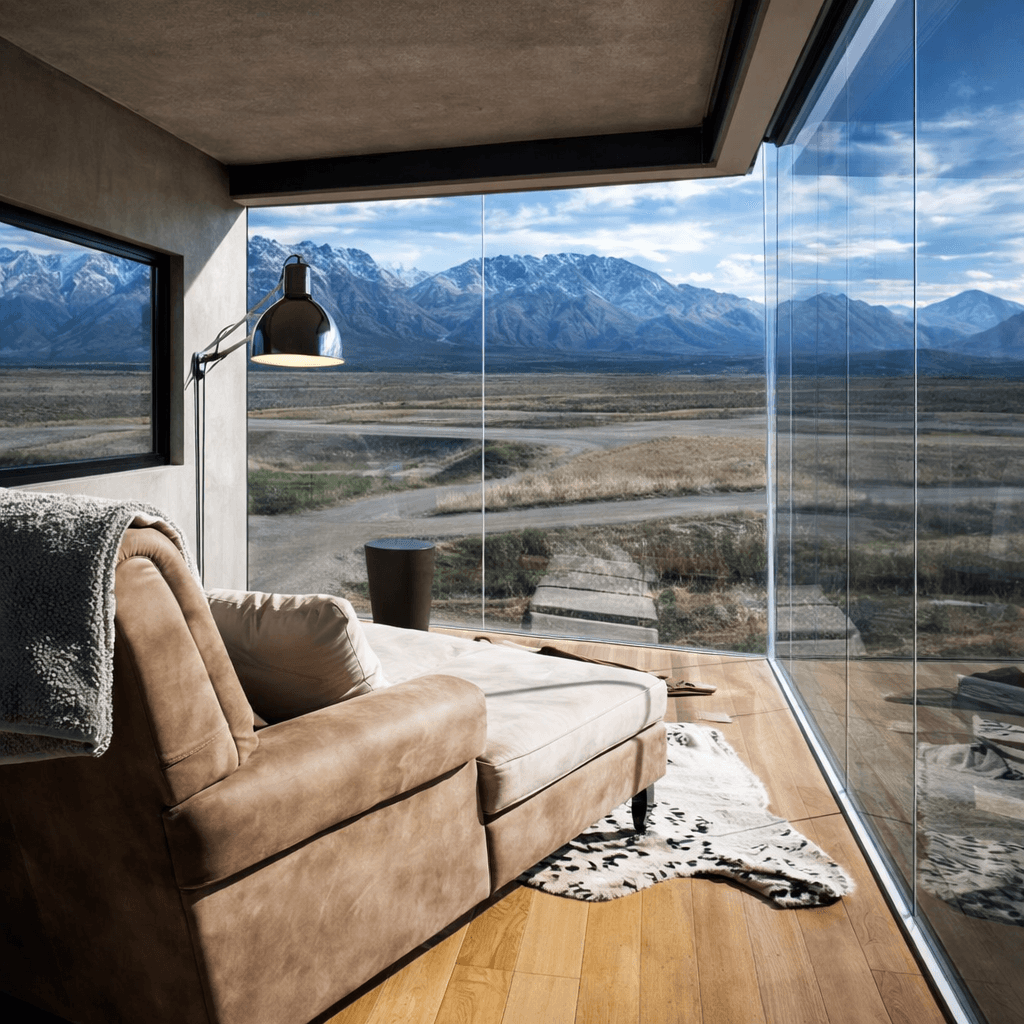 Resort de Lujo · Valle de Uco
Casa de Uco
📍 Valle de Uco, Mendoza
Un refugio modernista sobre 320 hectáreas de viñedos al pie de los Andes. Spa con tratamientos de uva, restaurante de autor y acceso a la frontera de la Bonarda de alta gama — la zona donde Zuccardi y Aleanna redefinen la cepa.
Ver disponibilidad →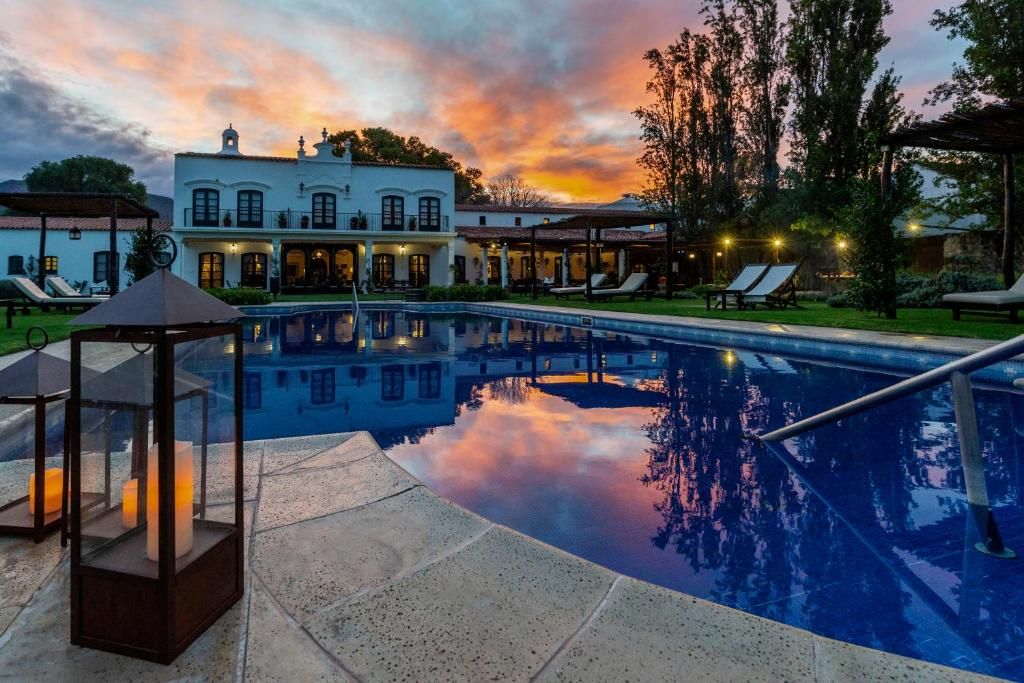 Hotel Bodega · Cafayate
Patios de Cafayate
📍 Cafayate, Salta
Estilo colonial salteño dentro del histórico predio de Bodega El Esteco, fundada en 1892. Una base ideal para explorar el Norte Argentino, donde cepas como la Bonarda encuentran perfiles más austeros y especiados en altura.
Ver disponibilidad →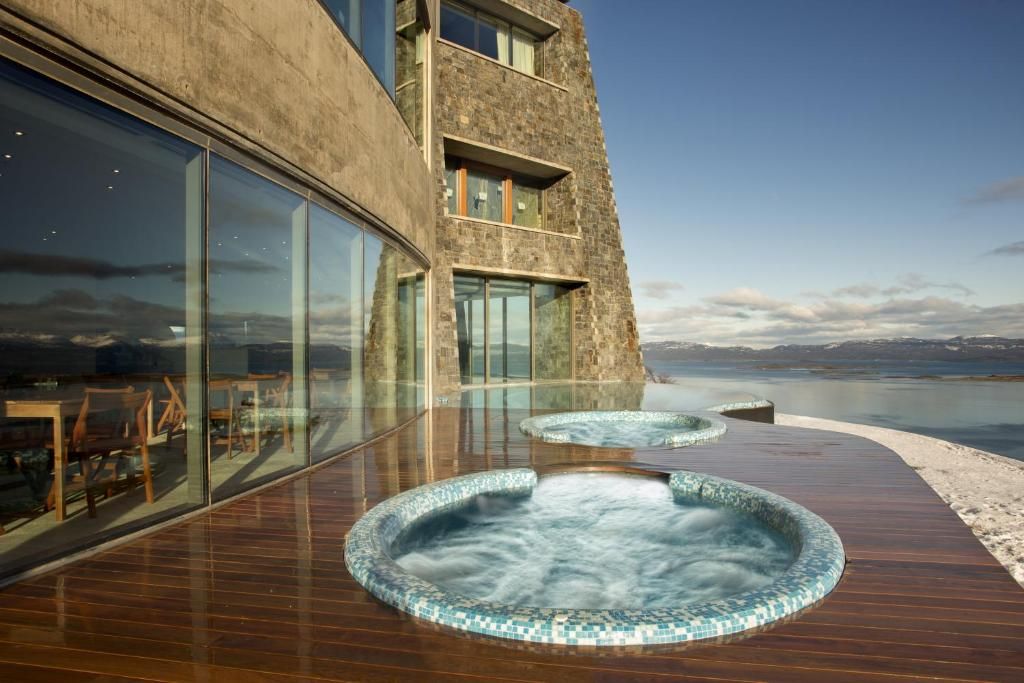 Resort de Lujo · Ushuaia
Arakur Ushuaia Resort & Spa
📍 Ushuaia, Tierra del Fuego
A 240 metros sobre la ciudad más austral del mundo. Vistas al Canal Beagle, spa de aguas glaciares y trekking desde la puerta — el cierre perfecto de un recorrido por la extraordinaria adaptabilidad del vino argentino, de norte a sur.
Ver disponibilidad →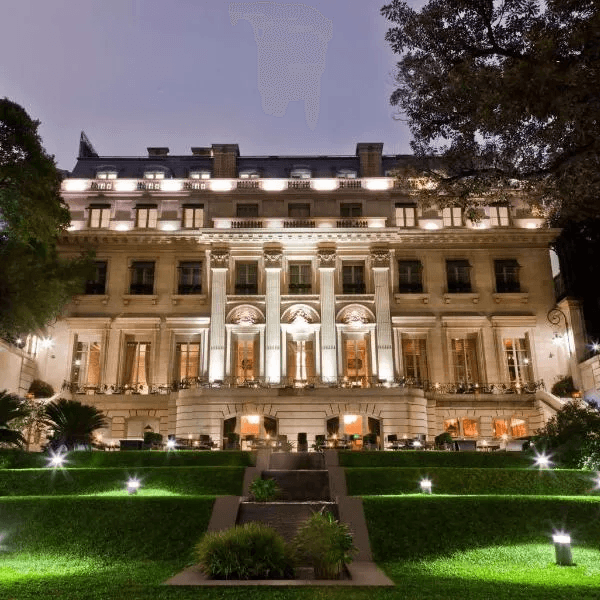 Ciudad · Buenos Aires
Buenos Aires
📍 Buenos Aires, Argentina
Tango, parrillas de clase mundial y una escena cultural que no para nunca. La ciudad donde la Bonarda encontró su maridaje más popular: el asado. El punto de partida perfecto antes de salir a recorrer el país.
Ver disponibilidad →Perfil Organoléptico: Qué Esperar en la Copa
La Bonarda argentina tiene una identidad sensorial muy clara: fruta generosa, frescura inesperada y una amabilidad en boca que la convierte en una de las cepas más accesibles del país. Pero "accesible" no significa sencilla — en manos de un buen enólogo, puede mostrar una complejidad que sorprende.
Color
El primer anuncio lo da la vista. La Bonarda tiene un color intenso, rojo rubí profundo con reflejos violáceos o púrpura, especialmente en vinos jóvenes. Esa tonalidad casi oscura se debe a la alta concentración de compuestos fenólicos en su piel — que es fina, paradójicamente, pero muy rica en antocianinas. Con el tiempo en botella, los tonos evolucionan hacia rojos más cálidos y granates.
Nariz
El perfil aromático de la Bonarda es uno de sus atractivos más inmediatos. En vinos jóvenes sin paso por madera predomina la fruta roja y negra fresca: ciruela, mora, arándano, frambuesa y cereza. A eso se suma un toque balsámico sutil — reminiscente de aceitunas negras o hierbas secas — y notas florales de violeta que aparecen especialmente en viñedos de altura.
El experto en vinos Oz Clarke señala que la cepa necesita una larga temporada de crecimiento para madurar completamente; cuando no se le da ese tiempo, aparecen sabores vegetales y herbáceos que no son un defecto, pero sí marcan un estilo más austero.
En versiones con crianza en barrica, el perfil se amplía: aparecen vainilla, cacao, especias dulces y notas tostadas que se integran con la fruta sin opacarla cuando el trabajo es preciso.
Boca
Acá está la firma de la cepa. La Bonarda entra al paladar con una textura mullida, jugosa, con taninos suaves y redondos— muy distinta de la estructura más firme del Cabernet Sauvignon o del poder tánico del Malbec de altura. Esa suavidad tánica, combinada con una acidez fresca y equilibrada, le da un carácter crujiente y apetecible que invita a seguir bebiendo.
El cuerpo es medio a medio-alto. La fruta domina el centro del paladar y el final es largo, con un leve amargor característico que actúa como firma varietal. En algunos ejemplares de alta gama elaborados con uvas de viña vieja, la textura gana densidad y el final se extiende con notas salinas y especiadas.
Estructura según el estilo de elaboración
La Bonarda admite interpretaciones muy distintas según las decisiones del enólogo:
- Sin madera (acero inoxidable o cemento): máxima expresión frutal, frescura vibrante, ideal para beber joven. Este es el estilo del Colonia Las Liebres de Altos Las Hormigas — un referente del género.
- Con crianza en roble: mayor complejidad, estructura más presente, mejor potencial de guarda. Productores como Durigutti, Zuccardi Valle de Uco y Bodega Aleanna trabajan en esta línea.
- Corte con Malbec u otras cepas: la Bonarda aporta frescura, color y jugosidad al blend — un rol que los mejores enólogos argentinos conocen bien.
Temperatura de servicio
Entre **16 y 18°C** para versiones con crianza. Las Bonardas jóvenes y frutadas ganan con una temperatura ligeramente más baja, alrededor de 14-16°C, lo que potencia la frescura y los aromas de fruta roja.
Regiones Productoras: Dónde Nace la Bonarda Argentina
La Bonarda argentina no es una cepa de nicho: está presente en 13 de las 18 provincias vitivinícolas del país. Pero hay una región que concentra todo su peso histórico y productivo, y otras que están redefiniendo lo que esta cepa puede hacer.
El mapa en números
Según datos del Instituto Nacional de Vitivinicultura (INV), Mendoza concentra el 83,5% de la superficie total plantada de Bonarda en Argentina, sobre un total de más de 18.000 hectáreas en todo el país. San Juan ocupa el segundo lugar, con un 11,5%.
Dentro de Mendoza, el 53% de la Bonarda se encuentra en la zona Este, el 15,4% en la zona Norte y el 14% en la zona Sur, con un 10% en la zona Centro y apenas el 7,2% en el Valle de Uco. Y a nivel departamental, los tres líderes son San Martín con casi el 25% del total provincial y 3.777 hectáreas, seguido por Lavalle con 2.189 ha y Rivadavia con 1.868 ha.
Zona Este de Mendoza — La cuna histórica
San Martín, Junín, Rivadavia, Santa Rosa y Lavalle conforman la zona productora más grande de Mendoza y el corazón histórico de la Bonarda argentina. El clima cálido y estable, junto con suelos profundos y buena disponibilidad de agua, dan origen a vinos amables, frutados y de gran accesibilidad. Son los Bonarda de mayor volumen, los que definieron el estilo clásico de la cepa: fruta roja fresca, taninos suaves, fáciles de beber.
Es también donde se encuentran los viñedos más longevos. San Martín lidera con 1.118 hectáreas de Bonarda con más de 40 años, seguido por Rivadavia, San Rafael y Lavalle. Esas vides viejas — conducidas en parral, muchas en agricultura orgánica — son el material con el que los mejores enólogos están construyendo la nueva narrativa de la cepa.
Valle de Uco — La frontera de la complejidad
Con apenas el 7% de la superficie mendocina de Bonarda, el Valle de Uco es sin embargo donde se están produciendo los ejemplares más ambiciosos. En estas zonas más frescas, el carácter de la cepa se transforma: gana en acidez, complejidad aromática y matices florales y especiados. Los suelos pedregosos y la amplitud térmica extrema — que puede superar los 20°C entre el día y la noche — le dan a la uva una tensión y una definición que no encuentra en el Este.
Zuccardi Valle de Uco, con su línea Emma Zuccardi, y Bodega Aleanna (proyecto de Alejandro Vigil) con sus Bonarda de Parcelas, son los referentes más claros de este estilo de alta gama.
San Juan — Sol, madurez y generosidad
En San Juan, el sol intenso y las temperaturas más elevadas se traducen en vinos de fruta madura, generosos en boca y con una textura más voluptuosa. Los departamentos con mayor superficie son Sarmiento (27,7%) y Veinticinco de Mayo (20,9%), seguidos por Caucete (19,1%). El estilo sanjuanino es más opulento, con menos acidez que Mendoza pero con una presencia de fruta negra muy marcada — un perfil que tiene buena recepción en mercados internacionales que buscan tintos de cuerpo generoso.
Otras provincias
La Rioja, en zonas como Chilecito y Aminga (hasta 1.580 msnm), produce Bonardas de carácter más austero y especiado. San Luis y Río Negro tienen plantaciones menores pero interesantes por sus condiciones extremas. La presencia en 13 provincias habla de la extraordinaria adaptabilidad de una cepa que, bien manejada, encuentra forma de expresarse en casi cualquier terroir argentino.
Maridaje: La Bonarda en la Mesa
Si hay algo que define a la Bonarda argentina como cepa, es su versatilidad gastronómica. Su acidez fresca, sus taninos amables y su fruta generosa la convierten en una compañera casi universal — más fácil de maridar que el Malbec y más interesante que muchos tintos de igual precio. Debido a sus bajos taninos y alta acidez, el Bonarda es un vino de maridajes muy diversos: marida bien con pollo, res, cerdo e incluso pescado en filetes.
La clave para entender sus maridajes está en dos propiedades: la acidez limpia el paladar y corta la grasa, mientras que la fruta suave no compite con los sabores del plato. El resultado es un vino que acompaña sin imponerse — y eso, en la mesa, vale oro.
La parrilla argentina
La Bonarda tiene una relación natural con la parrilla. Las carnes grasas van de maravillas con vinos de variedades intensas con paso por barrica, entre ellas la Bonarda. Un vacío, unas costillas, una colita de cuadril — todos encuentran en la Bonarda un compañero que suma frescura donde la carne suma grasa. Para versiones con crianza en roble, el maridaje gana complejidad: la vainilla y el tostado se integran con el ahumado de la parrilla de forma casi inevitable.
Pastas — el maridaje de herencia italiana
Hay algo poético en el hecho de que la Bonarda, uva de origen franco-italiano que llegó con inmigrantes del norte de Italia, encuentre su maridaje más natural precisamente en las pastas. Sus aromas balsámicos con dejos frutales maduros y cierto tono especiado, sumado a un paladar de cuerpo medio y buen nervio, funcionan de maravilla con casi todas las salsas y tipos de pastas.
Con salsas de tomate (fileto, pomarola, puttanesca) la acidez del vino potencia la acidez natural del tomate creando un maridaje por similitud. Con boloñesa o ragú de carne, una Bonarda con leve paso por madera añade estructura. Con pastas rellenas es mejor buscar entre las Bonarda Reserva, criadas en roble, al igual que si se piensa en salsas con carnes estofadas.
Pizza — el romance más popular
A la hora de maridarlo con pizzas, el Bonarda reúne al menos dos condiciones favorables: una acidez media o alta que contrarresta muy bien el contenido graso de los quesos y, además, su estructura de taninos discretos se amalgama bien con el tomate. La sommelier Bárbara Jones, de la Escuela Argentina de Sommelier, lo confirma: los Bonarda del Valle de Uco, con sus notas mentoladas y especiadas, son ideales para pizzas barbacoa o con quesos intensos.
Empanadas y cocina criolla
Las empanadas criollas, jugosas y bien condimentadas, armonizan con la frescura y el toque especiado que puede ofrecer un buen Bonarda. El condimento del relleno — comino, pimentón, cebolla — dialoga perfectamente con los aromas balsámicos de la cepa. Un maridaje 100% argentino.
Vegetales y gastronomía moderna
La Bonarda sorprende como compañera de platos vegetales. Berenjenas a la parrilla, risottos de hongos y pizzas con vegetales asados resaltan su complejidad aromática, mientras el vino respeta la delicadeza de los ingredientes. Para paladares que buscan tintos sin la estructura del Malbec o el Cabernet, la Bonarda es la respuesta.
Quesos y fiambres
Las Bonardas frescas y jóvenes van de maravillas con los fiambres y quesos de diferentes intensidades. Quesos semiduros como el provolone o el gouda resaltan la fruta del vino. Con quesos más curados, una Bonarda con paso por barrica aguanta mejor la intensidad.
Temperatura de servicio
- Bonarda joven / sin madera:14–16°C — para potenciar la frescura y la fruta roja
- Bonarda con crianza:16–18°C — para que la madera se integre y los taninos se abran.
Dale clic a las opciones de maridaje y disfrutá! 🍷
Preguntas Frecuentes sobre la Bonarda Argentina
¿La Bonarda argentina es dulce o seca?
Es un vino seco, no dulce. Su nombre francés original, Douce Noire ("dulce negro"), hace referencia a la fruta generosa en nariz y boca — no a un residuo de azúcar. Su carácter frutado y taninos suaves pueden generar esa percepción, pero técnicamente se elabora en estilo seco.
¿Cuál es la diferencia entre Bonarda y Malbec?
El Malbec tiene taninos más firmes, cuerpo más estructurado y mayor potencial de guarda. La Bonarda es más amable en boca, con taninos suaves y redondos, acidez fresca y un perfil frutal más inmediato. Además son variedades genéticamente distintas: la Bonarda argentina es en realidad Douce Noire, originaria de Saboya, Francia.
¿Con qué comidas marida bien la Bonarda?
Es una de las cepas más versátiles a la mesa: acompaña muy bien parrilla, pastas con salsa de tomate, pizza, empanadas y quesos semiduros. Su acidez fresca corta la grasa y su fruta suave no compite con los sabores del plato.
¿Por qué la Bonarda argentina no es la misma que la italiana?
Estudios de ADN confirmaron que la Bonarda argentina es en realidad la Douce Noire (o Corbeau Noir), variedad de la Saboya francesa — sin relación genética con la Bonarda Piamontesa, la Croatina ni la Uva Rara italianas. El 15 de abril de 2008 el INV oficializó la denominación "Bonarda Argentina", un nombre hoy exclusivo del país.
¿Dónde se produce la mejor Bonarda de Argentina?
Mendoza concentra el 83,5% de la superficie plantada, con la zona Este (San Martín, Rivadavia, Lavalle) como cuna histórica de sus vinos más clásicos. El Valle de Uco, con apenas el 7% de la superficie, produce los ejemplares más ambiciosos, de la mano de bodegas como Zuccardi y Bodega Aleanna. San Juan es la segunda provincia productora, con un estilo más opulento.
¿A qué temperatura se sirve la Bonarda?
Entre 14 y 16°C para versiones jóvenes y frutadas, para potenciar su frescura. Para Bonardas con crianza en roble, entre 16 y 18°C, temperatura que ayuda a integrar mejor la madera con los taninos.
Seguí explorando el vino argentino
Cada cepa, cada región y cada bodega tiene su propia historia. Descubrí todo el universo vitivinícola argentino — desde el Malbec hasta la Patagonia.

Utilizamos cookies para mejorar tu experiencia y rastrear los enlaces de afiliados. Al continuar, aceptás nuestro uso de cookies.