Argentine Wine 2026
Between the 90th Harvest Tradition and the "Zero-Alcohol" Revolution
Today, as the January sun intensely bathes the vineyards from Salta down to Chubut, the Argentine wine industry stands at a historic turning point. On the doorstep of a new harvest, the sector is not only watching the skies for the weather but embracing trends that seemed unthinkable just a few years ago.
Heading Toward a Golden Harvest: 90 Years of Identity
We are only weeks away from Mendoza once again becoming the epicenter of the wine world. 2026 is no ordinary year: the National Harvest Festival (Fiesta Nacional de la Vendimia) is celebrating its 90th anniversary.

For the international reader, this event has solidified its place as a global tourism magnet. For local producers, it is a reminder of unique resilience. After a 2025 marked by cost adjustments, expectations for this harvest are high. Early reports from the high-altitude zones of the Uco Valley indicate exceptional grape health, thanks to a moderate drought that has kept vine diseases at bay.
The "Zero & Low" Revolution: The New Consumer Profile
If one thing defines the global market in 2026, it is the search for balance. Argentina, historically renowned for its powerful and structured Malbecs, is demonstrating astonishing flexibility.
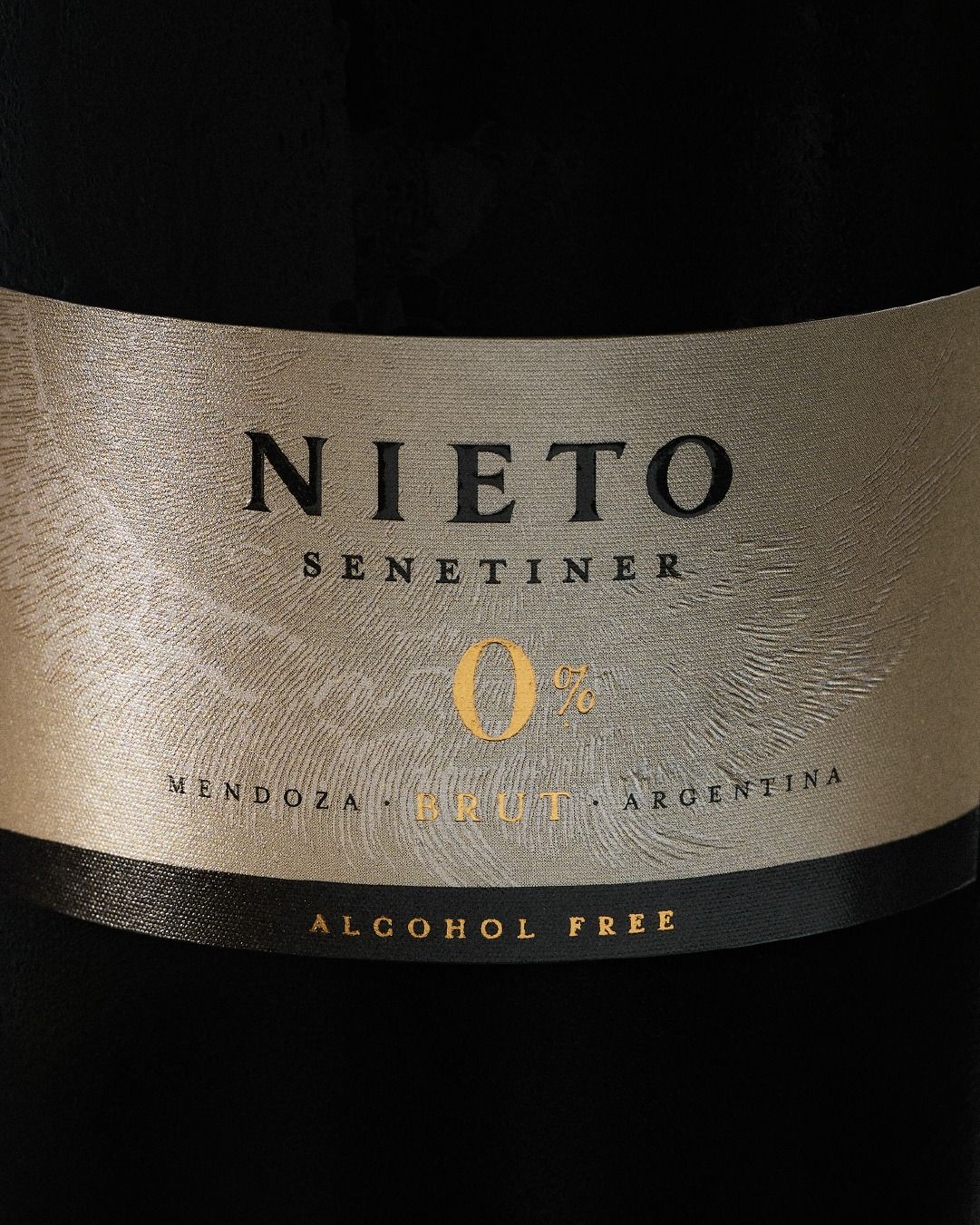
The big news this season is the consolidation of low-alcohol wines and 0% alcohol sparkling wines. Traditional wineries, such as Nieto Senetiner, have led the way, proving it is possible to maintain terroir typicity without the presence of alcohol.
This movement doesn’t just respond to new health regulations in Europe and the U.S.; it also caters to a younger generation of Argentines looking to enjoy the ritual of wine in a more conscious and lighthearted way.
Beyond the Mountains: The Oceanic Advance

While Mendoza remains queen, in 2026 the spotlight is also shifting East and South. Oceanic-influenced wines (from Chapadmalal and the Buenos Aires coast) and extreme Patagonia vineyards are gaining significant space on the wine lists of top restaurants in New York and London.
These wines, characterized by vibrant freshness and saline notes, offer the diversity that the modern palate demands: less oak, more fruit, and a natural acidity that makes them perfect companions for global gastronomy.
Challenges and Future: La Niña and Sustainability
As of January 27, we find ourselves under the influence of the La Niña phenomenon. While this means a lower risk of hail, water management has become the absolute priority.
The wineries leading the market today are those that have certified their Sustainability Protocols, optimizing every drop of irrigation and committing to organic viticulture.
Conclusion
Argentine wine in 2026 is much more than Malbec. It is a blend of 90 years of history, technological innovation to reduce alcohol, and geographical audacity that knows no bounds.
We are facing a harvest that promises to be remembered not only for its quality but for its ability to understand where the world is headed.