Bonarda: Argentina's Best-Kept Secret
If Malbec is Argentina's international ambassador, Bonarda is its soul. Planted across the sun-drenched vineyards of Mendoza, San Juan, and La Rioja, this dark-skinned grape has quietly shaped Argentine wine culture for over a century — long before the world came knocking. Today, it holds its ground as the country's second most planted red variety, and for those willing to look beyond the obvious, it offers something Malbec rarely does: surprise.
The story of Bonarda in Argentina is one of mistaken identity and quiet resilience. Brought over by Italian immigrants in the late 19th century, the grape was long confused with the Piedmontese Bonarda of northern Italy — a mix-up that persisted for decades. Ampelographers eventually confirmed that Argentina's Bonarda is actually Douce Noir, a variety originating in the Savoie region of France, virtually extinct in Europe but thriving in South American soil. It found in Argentina not just a new home, but a new identity.
For most of the 20th century, Bonarda lived in the shadows. Blended away, used for bulk wine, rarely given its own label — it was the workhorse of the Argentine wine industry, valued more for volume than for character. Then came the quality revolution of the 1990s and 2000s, and with it, a growing curiosity among winemakers who had watched this grape perform year after year without ever truly being celebrated. What they discovered when they finally paid attention was remarkable.
In the glass, Argentine Bonarda is generous and immediate. Deep ruby in color, it opens with ripe dark fruits — blackberry, plum, black cherry — layered with floral notes of violet and, in warmer vintages, a subtle hint of spice. The tannins are soft, the acidity bright, the finish long. It is, in the best possible sense, an easy grape to love. But when grown in high-altitude vineyards — particularly in Mendoza's Luján de Cuyo or the sun-baked hillsides of San Juan — it reveals a more complex, serious side that commands real attention.
What makes Bonarda especially exciting right now is momentum. A new generation of Argentine winemakers is treating it with the same ambition and precision previously reserved for Malbec. Single-vineyard expressions, old-vine bottlings, low-intervention wines — Bonarda is finally getting the winemaking it always deserved. And the market is beginning to catch up.
For wine lovers in the US and beyond, this is the opportunity: a grape with deep roots, genuine character, and a price point that still reflects its underdog status. The secret is out, but not for long.
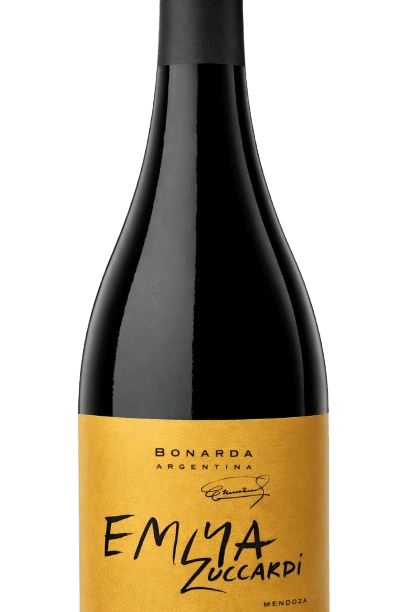
Zuccardi Emma
Bonarda 2020
Mendoza, Argentina
Deep ruby with violet hues. Ripe blackberry and plum on the nose, layered with violets and a whisper of spice. Soft tannins, vibrant acidity and a long, velvety finish — this is Bonarda at its most expressive. From one of Mendoza's most celebrated estates.
Buy on Wine.com →Bonarda Country: Where to Stay, Sip & Explore
Argentina's wine country is not just something you drink — it's something you live. And nowhere is that more true than in the regions where Bonarda quietly thrives: the sun-drenched valleys of Mendoza, the high desert plateaus of San Juan, and the dramatic landscapes of La Rioja. These are places where the vine and the land are inseparable, and where a visit to a winery feels less like a tour and more like a conversation with the soil itself.
Mendoza is the natural starting point. The city sits at the foot of the Andes, and on clear days the snow-capped peaks frame every vineyard like a painting. The wine roads — Luján de Cuyo to the south, Maipú a short drive east — are lined with estates that have been growing Bonarda for generations. Many now open their doors for tastings, barrel tours, and long lunches under the pergola. Time moves differently here.
Beyond the vines, the infrastructure for wine tourism has never been better. Mendoza boasts world-class wine hotels — from intimate boutique lodges surrounded by malbec blocks to luxury resorts with infinity pools facing the cordillera. A growing number of curated wine tours make it easy to cover multiple wineries in a single day, with knowledgeable guides who can explain exactly why that Bonarda from a 60-year-old vine tastes unlike anything you've had before.
For travelers willing to venture further, San Juan offers a rawer, more authentic experience — fewer crowds, older vines, and a winemaking culture that feels genuinely off the beaten path.
Whether you spend three days or three weeks, Argentine wine country rewards curiosity. Come for the Malbec if you must — but stay for the Bonarda.
Argentina · Bonarda Country — From the Andes to the End of the World
One Grape. An Entire Country to Discover.
Bonarda doesn't belong to a single valley or a single latitude — it grows wherever Argentina's soul runs deep. Chase it through snow-capped mountains, colonial courtyards, high-desert plateaus and the windswept edge of Patagonia. Every glass tells you where you are.
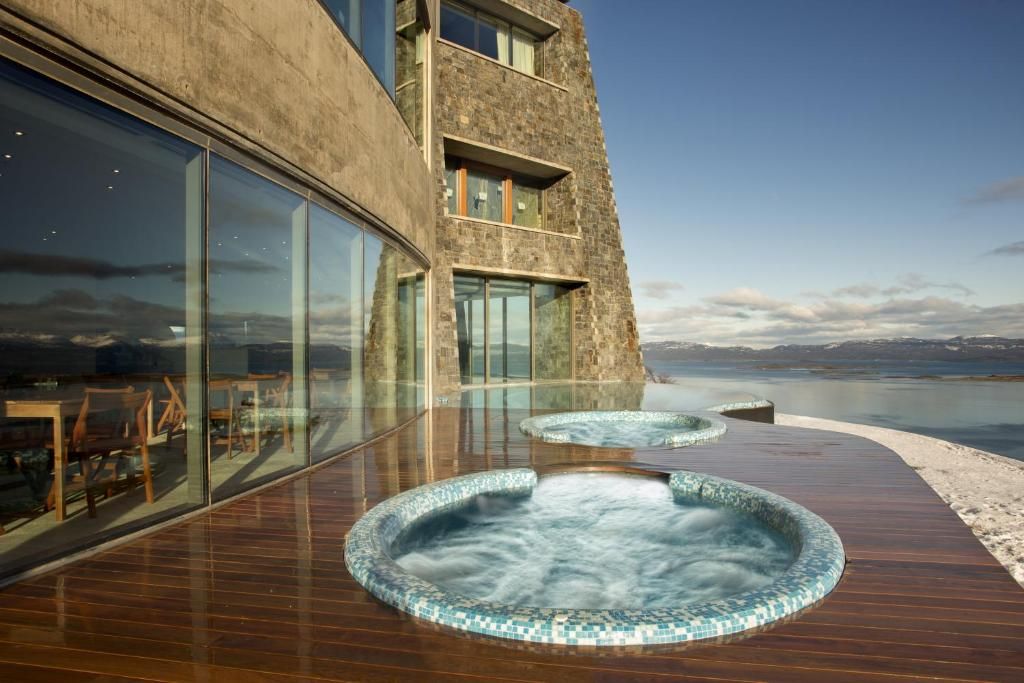
Arakur Ushuaia Resort & Spa
📍 Ushuaia, Tierra del Fuego
Pour a glass of Bonarda at the end of the world. Set within the Cerro Alarkén Nature Reserve, 800 feet above the Beagle Channel, Arakur is where Argentina's most adventurous wine journey finds its most dramatic finale — glacier-fed spa, trekking from the doorstep, and views that make every sip feel earned.
Patios de Cafayate
📍 Cafayate, Salta
In the far north, where the Andes turn red and the altitude sharpens every flavor, Bonarda finds one of its most surprising expressions. Stay inside the historic grounds of Bodega El Esteco — colonial courtyards, antique-furnished rooms, a complimentary glass at dusk — and let the high desert work its magic on your palate.
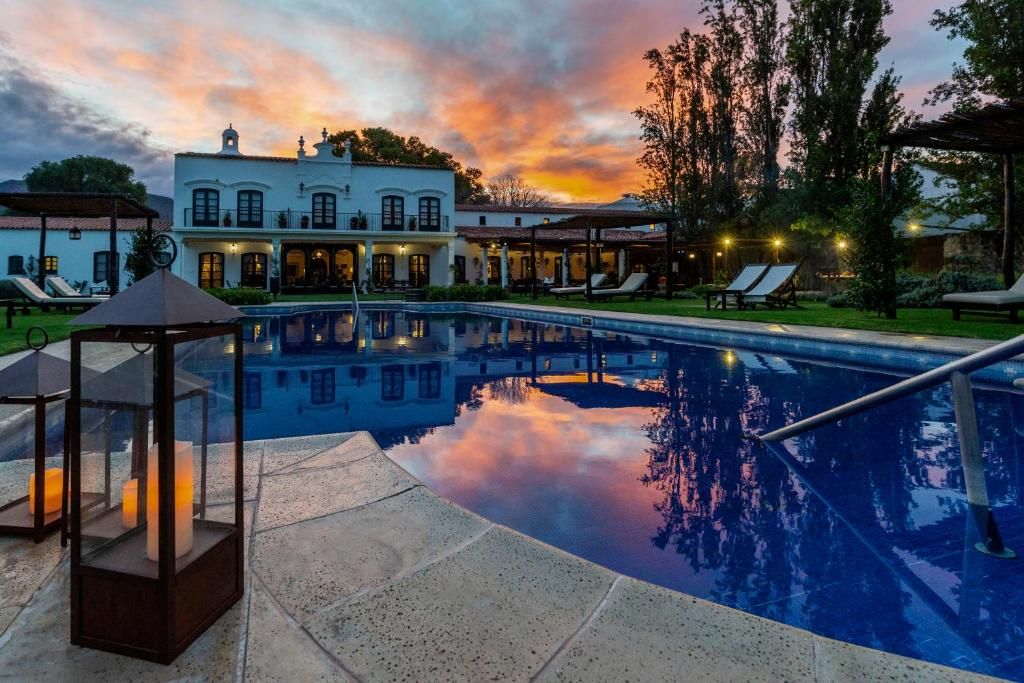
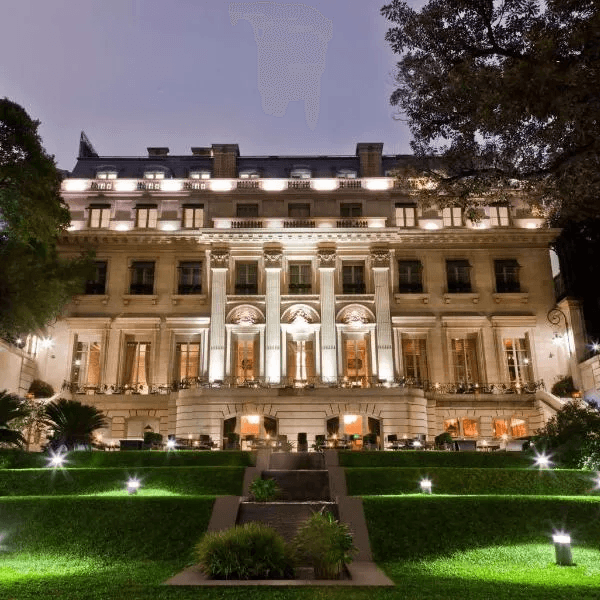
Palacio Duhau - Park Hyatt Buenos Aires
📍 Recoleta, Buenos Aires
Every great Argentine wine journey begins — or ends — in Buenos Aires. Order a Bonarda at a Palermo wine bar, pair it with a perfectly seared bife de chorizo in San Telmo, or discover it on the list at this landmark Recoleta palace hotel, home to a wine cellar of over 500 labels. The city is Argentina in a glass — layered, alive, impossible to forget.
Casa de Uco
📍 Valle de Uco, Mendoza
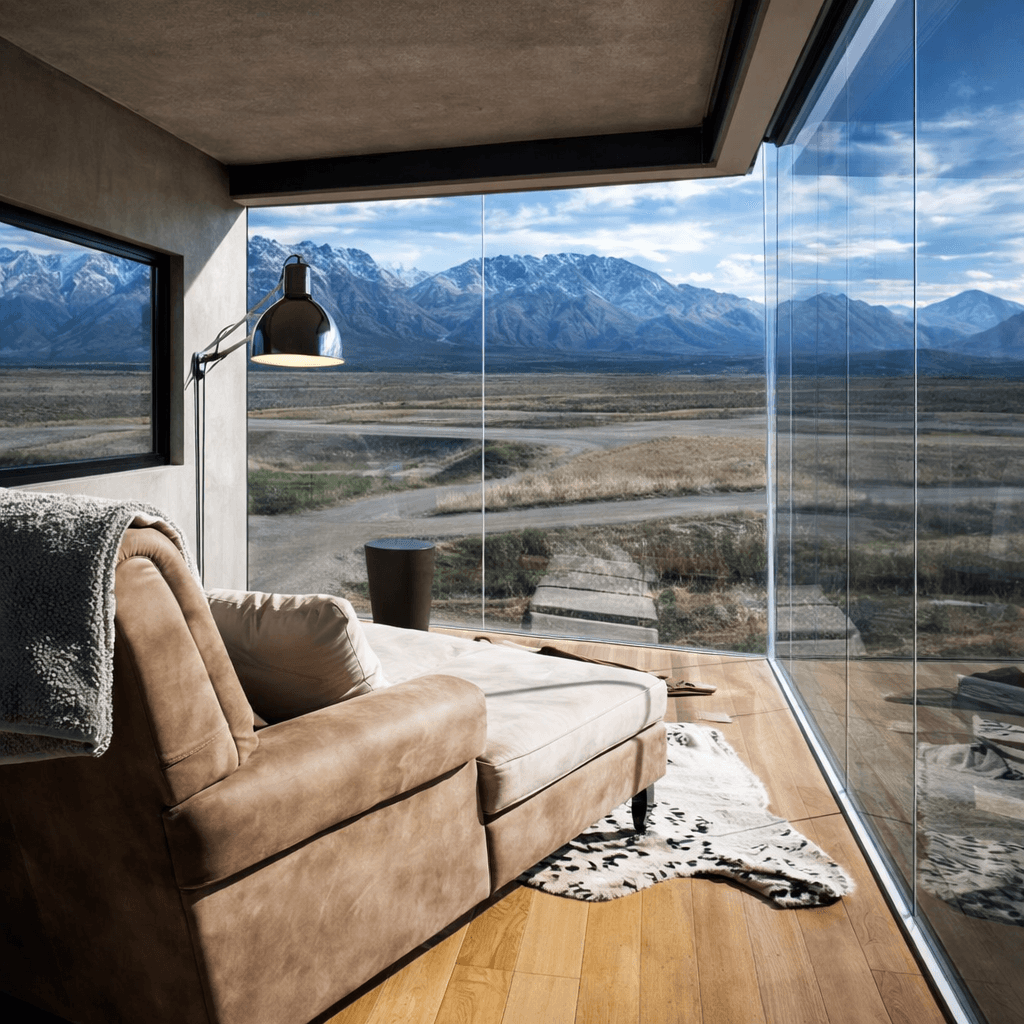
This is Bonarda's heartland. The Uco Valley's high-altitude soils and dramatic Andean light produce the grape's most complex, age-worthy expressions — and Casa de Uco sits at its very centre. Three hundred hectares of vineyards, a modernist spa, farm-to-table cuisine and an infinity pool facing the cordillera. Stay here and understand why Bonarda was always destined for greatness.
Taste Argentina — One Tour at a Time
Reading about Bonarda is one thing. Standing in the vineyard where it grows, glass in hand, with the Andes turning purple at dusk — that's something else entirely. Argentina's wine regions were made to be walked, driven, and tasted slowly, and the best way to do that is with someone who knows the land.
From Mendoza's iconic wine roads to the remote high-altitude valleys of Salta and the dramatic river landscapes of Patagonia, guided wine tours unlock a side of Argentina that no bottle label can fully capture. You visit cellars that don't advertise. You meet winemakers who pour things they rarely export. You eat lunch at a table surrounded by vines that have been producing Bonarda for sixty years.
The infrastructure for wine tourism in Argentina has never been more sophisticated — or more accessible. Whether you're looking for a half-day tasting in Luján de Cuyo, a full-day private tour through the Uco Valley, or a multi-region itinerary that takes you from Mendoza to the Andean foothills of Cafayate, there are expert-led experiences designed for every pace and every palate.
This is not sightseeing. This is Argentina through its wine — unhurried, generous, and impossible to forget.

Argentina · Bonarda · From the Andes to Patagonia
Everywhere you go,
there it is.
From the high deserts of San Juan to the windswept valleys of Patagonia — Argentina's most widely planted red grape is waiting for you at every turn.
No other Argentine grape covers this much ground — literally. Bonarda grows from the sun-scorched high-altitude vineyards of San Juan and La Rioja all the way south to the cool, wind-battered valleys of Neuquén and Río Negro. Each region leaves its fingerprint on the glass: bold and spicy in the north, silky and floral in Mendoza, lean and mineral in Patagonia. One grape, four personalities, endless reasons to explore.
Frequently Asked Questions About Argentine Bonarda
What exactly is Bonarda?
Bonarda is Argentina's second most planted red grape variety, after Malbec. Despite its Italian-sounding name, the Bonarda grown in Argentina is actually Douce Noir, a variety originally from the Savoie region of France that found its true home in South American soil.
How does Argentine Bonarda taste?
Think ripe dark fruits — blackberry, plum, black cherry — with floral notes of violet and a soft, velvety texture. The tannins are gentle, the acidity is bright, and the finish is long. In warmer regions like San Juan it tends to be bolder and spicier; in cooler areas like Patagonia it becomes more elegant and mineral.
Is Bonarda similar to Malbec?
They share the same dark, fruit-forward profile but Bonarda is generally softer, more approachable, and more floral. If Malbec is the main act, Bonarda is the discovery that makes you feel like an insider.
What food pairs well with Bonarda?
It's one of the most food-friendly reds Argentina produces. It loves grilled meats, pasta with tomato-based sauces, aged cheeses, and anything off the Argentine asado. Its soft tannins make it surprisingly versatile at the table.
Where in Argentina is Bonarda grown?
Virtually everywhere. Mendoza leads in volume, but excellent Bonarda also comes from San Juan, La Rioja, and increasingly from cooler-climate regions like Patagonia. Each terroir brings out a different personality in the grape.
Is Argentine Bonarda age-worthy?
The best single-vineyard and old-vine expressions absolutely are. While entry-level Bonarda is made for immediate enjoyment, serious producers are now making structured, complex wines that reward three to seven years of cellaring.
Where can I buy Argentine Bonarda in the US?
Wine.com carries a solid selection of Argentine Bonarda, including bottles from top producers like Zuccardi. It ships across the US with free shipping available on qualifying orders.
Utilizamos cookies para mejorar tu experiencia y rastrear los enlaces de afiliados. Al continuar, aceptás nuestro uso de cookies.