Mendoza Wine Tours: The Ultimate Guide to Argentina's Wine Country
There's a place where the Andes meet the vine — and it's called Mendoza.
Mendoza produces over 70% of Argentina's wine — and a guided wine tour here is one of the great travel experiences in the Americas. At the foot of the Andes, with over 300 sunny days a year and vineyards reaching 1,500 meters above sea level, this is where altitude transforms Malbec into something the world can't stop drinking.
But Mendoza isn't one place. It's three distinct wine zones, each with a different character, a different price point, and a different kind of traveler in mind.
Luján de Cuyo — The Classic Malbec Belt
Located 20 km south of Mendoza city at 900–1,100 meters, this is the historic heartland. Home to iconic producers like Catena Zapata, Achaval Ferrer, and Viña Cobos, it's where Argentine Malbec earned its international reputation. Tours here tend to be polished, well-organized, and easier to combine with a city stay. Best for: first-time visitors and Malbec purists.
Uco Valley — The High-Altitude Frontier
Situated 80–130 km south of the city at 1,000–1,500 meters, this is where the world's most exciting Argentine wines are being made right now. Zuccardi Valle de Uco, Salentein, and Andeluna anchor a landscape of stony soils, cold nights, and jaw-dropping Andes views. Expect longer drives, more dramatic scenery, and wines of extraordinary freshness and complexity. Best for: wine enthusiasts who want the cutting edge.
Maipú — Old Vines and Bicycle Culture
Just 15 km from the city center, Maipú is Mendoza's most accessible wine zone — lower altitude (650–850 m), warmer climate, and some of the oldest vine plantings in the province. It's ideal for half-day tours by bicycle and a great intro for travelers who want to ease into wine country without a full-day commitment. Best for: budget travelers and those with limited time.
Live the Terroir · Mendoza, Argentina
Walk the Vineyards
Where It All Begins
Private tours, sunset tastings, and harvest experiences in the heart of Cabernet Franc country.
Powered by Viator · Instant confirmation · Free cancellation available
Mendoza Wine Tours by Budget: What to Expect
Not all Mendoza wine tours are created equal. Here's a honest breakdown by budget so you can plan without surprises.
Budget ($40–$80 per person)
Group tours departing daily from Mendoza city. Typically cover 2–3 wineries in Maipú or Luján de Cuyo, with a shared guide and basic tasting included. Bicycle tours in Maipú fall in this range and are a local favorite. Lunch is usually optional and extra. Best booked same-week — no need to plan months ahead.
Mid-Range ($80–$200 per person)
Small-group or semi-private tours with an English-speaking guide, 3–4 wineries, and lunch included at one of them. Many include Uco Valley, which requires a longer drive but delivers significantly better wines and scenery. This is the sweet spot for most international travelers — enough quality without the luxury markup.
Luxury ($200–$500+ per person)
Private full-day experiences with a dedicated sommelier, VIP access to top estates like Zuccardi or Catena Zapata, and a multi-course lunch with wine pairings. Some include hotel pickup, a private vehicle, and exclusive barrel tastings not available on standard tours. If you're serious about wine, this category delivers experiences you simply can't replicate on your own.
All tiers are bookable online with free cancellation on most departures.
Mendoza · Argentina · Wine Country Retreats
Sleep Among the Vines
Handpicked stays where world-class wine meets Andean landscapes
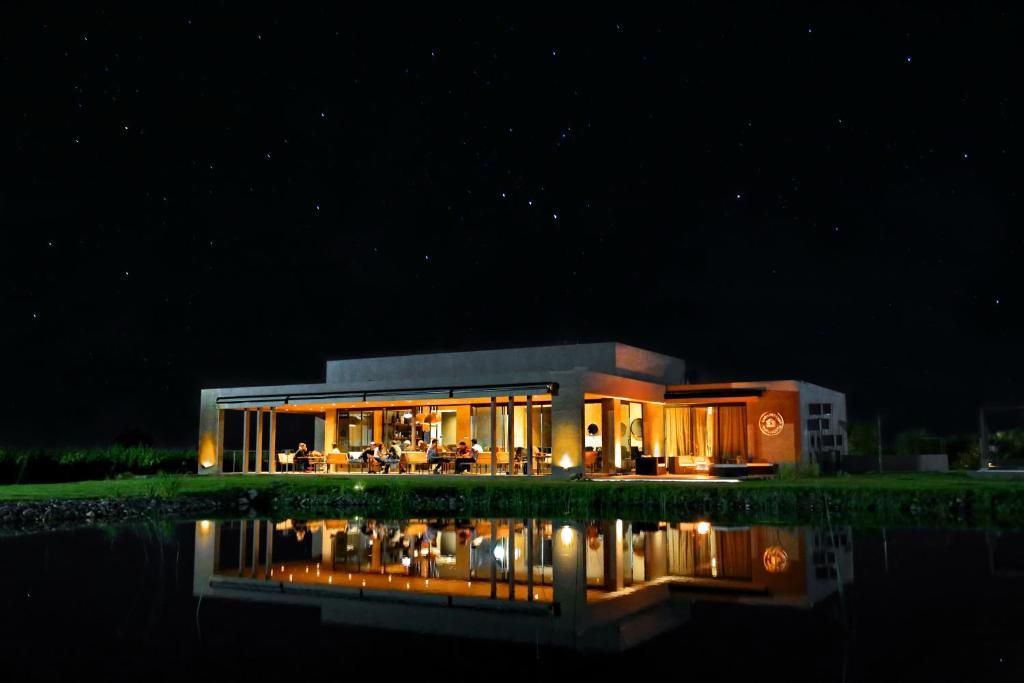
Casa Petrini
📍 Luján de Cuyo, Mendoza
A family-owned wine estate turned intimate retreat. Malbec vines at your doorstep, cellar tours with your hosts, estate wines at your table.
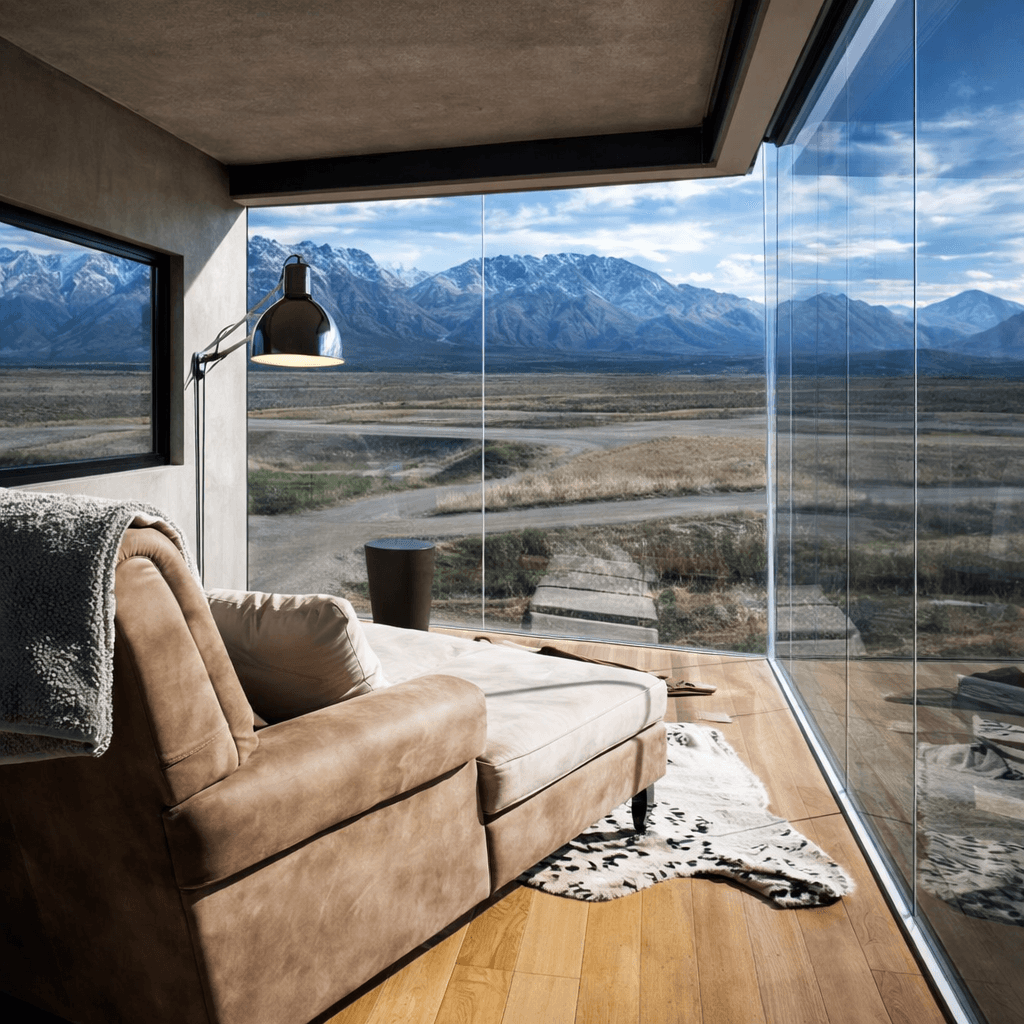
Casa de Uco
📍 Valle de Uco, Mendoza
High-altitude luxury against the Andes. Infinity pool over the vineyards, world-class spa, and a restaurant driven by estate harvests.
When to Visit Mendoza Wine Country
Mendoza is a year-round destination, but timing changes the experience significantly.
March–April (Harvest Season) is the most spectacular time to visit. Vineyards are in full activity — grapes being picked, fermentation tanks running, winemakers at their most passionate. The Fiesta Nacional de la Vendimia (National Harvest Festival) takes place in early March and draws visitors from around the world. Book tours well in advance for this window.
May–August (Winter) brings cold nights and snow on the Andes peaks — the scenery is stunning and the wineries are quiet. Fewer crowds, easier bookings, and the same great wines. Daytime temperatures are mild and perfectly comfortable for touring.
September–November (Spring) offers blooming vineyards, warm days, and some of the best weather of the year. A strong second choice if harvest season is full.
December–February (Summer) is high season for domestic tourism. Hot days (occasionally above 40°C / 104°F) but long evenings perfect for outdoor winery dinners. Uco Valley stays cooler thanks to altitude.
How Many Days Do You Need?
Two days is the minimum to see Mendoza wine country properly — one day in Luján de Cuyo or Maipú, one day in Uco Valley. Three to four days gives you room to go deeper: a private tasting, a winery lunch, a morning in the city. If you're combining Mendoza with Salta or Buenos Aires, three days in wine country is the sweet spot most international travelers land on.
Frequently Asked Questions
Do I need to rent a car to do wine tours in Mendoza?
No. All organized tours include pickup and transportation between wineries. A car is only necessary if you want to explore independently at your own pace — and even then, ride apps like Cabify cover most of the city and nearby zones. For Uco Valley, an organized tour or private driver is strongly recommended.
How far in advance should I book a Mendoza wine tour?
For budget and mid-range group tours, 2–3 days ahead is usually enough. For harvest season (March–April) or luxury private experiences, book 2–4 weeks in advance. The most popular tours at top wineries like Catena Zapata or Zuccardi fill up quickly year-round.
Can I visit Mendoza wineries without a tour?
Yes — many wineries accept walk-in visitors, especially in Maipú and Luján de Cuyo. However, Uco Valley estates often require reservations, and the best experiences (barrel tastings, winemaker meetings, private lunches) are almost always tour-exclusive. A guided experience unlocks access that independent visitors simply don't get.
Is Mendoza safe for international travelers?
Mendoza is consistently rated one of Argentina's safest cities for tourism. The wine regions are rural and relaxed. Standard city precautions apply in the urban center, but wine country itself presents no particular concerns for visitors.
What currency should I use in Mendoza?
US dollars are widely accepted at wineries, hotels, and tour operators — often at a favorable informal rate. Argentine pesos work everywhere. Credit cards are accepted at most established venues. Carry some cash for smaller producers and rural stops.
Utilizamos cookies para mejorar tu experiencia y rastrear los enlaces de afiliados. Al continuar, aceptás nuestro uso de cookies.