Argentine Cabernet Franc
has found its most compelling expression in the high-altitude vineyards of Mendoza, where the Andes dramatically shape every aspect of the grape's character. At elevations between 900 and 1,500 metres above sea level, the intense UV radiation, stony limestone soils, and extreme day-to-night temperature swings produce a Cabernet Franc unlike any other in the world — free of aggressive green notes, defined instead by violet florals, red fruit precision, and a mineral tension that is unmistakably Andean.
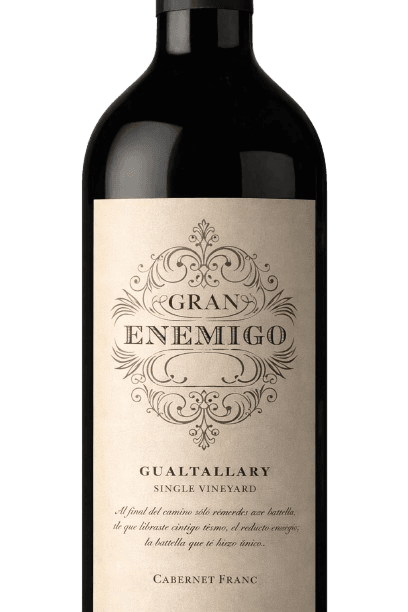
The Valle de Uco, and particularly the subzone of Gualtallary, has become the global benchmark for this variety. Here, white calcium carbonate soils at over 1,400 metres create wines of electric structure and extraordinary aging potential. Estates such as Zuccardi, Cheval des Andes, and El Enemigo have placed Argentine Cabernet Franc firmly on the world's fine wine map — earning scores above 95 points from Wine Advocate and Wine Spectator consistently since 2018.
Whether you are exploring this variety for the first time or seeking the finest single-vineyard expressions from Altamira or Gualtallary, this guide covers everything: tasting profiles, terroir maps, food pairings, and how to experience Cabernet Franc country firsthand through Mendoza's best wine tours and vineyard hotels.
Argentina · Mendoza · High Altitude
Argentine Cabernet Franc:
Andean Elegance
Altitude, freshness, and the sophisticated soul
of Argentina's terroir — where the Andes meet the glass.
Cabernet Franc thrives in Argentina precisely because the country offers what Europe cannot — extreme altitude combined with abundant sunshine and virtually no disease pressure. Organic and biodynamic farming is the norm in Gualtallary, not the exception. The result is grapes of extraordinary purity, harvested by hand in March and April, when the Andes nights drop to near-freezing temperatures and lock in the acidity that defines the variety's signature freshness.
Live the Terroir · Mendoza, Argentina
Walk the Vineyards
Where It All Begins
Private tours, sunset tastings, and harvest experiences in the heart of Cabernet Franc country.
Powered by Viator · Instant confirmation · Free cancellation available
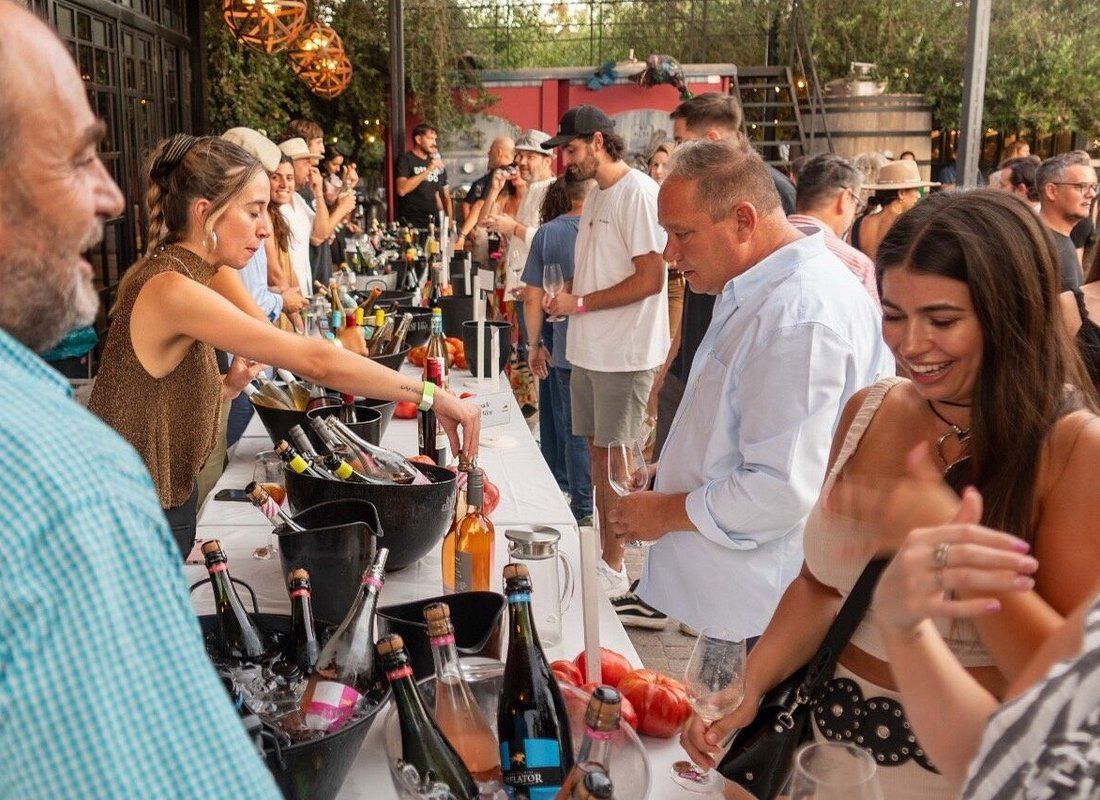
A Mendoza wine tour focused on Cabernet Franc is one of the most rewarding experiences in South American travel. Private visits to estates in Valle de Uco typically include barrel tastings of unreleased vintages, conversations with winemakers, and lunches paired with library wines unavailable anywhere else. The best tours combine two or three wineries across different subzones — allowing visitors to taste Gualtallary against Altamira in the same afternoon and understand firsthand why terroir matters.
Sleep Among the Vines · Mendoza, Argentina
Wake Up in
Wine Country
The best Cabernet Franc experience doesn't end at the winery. Stay where the vines begin — in Mendoza's finest wine lodges and boutique hotels.
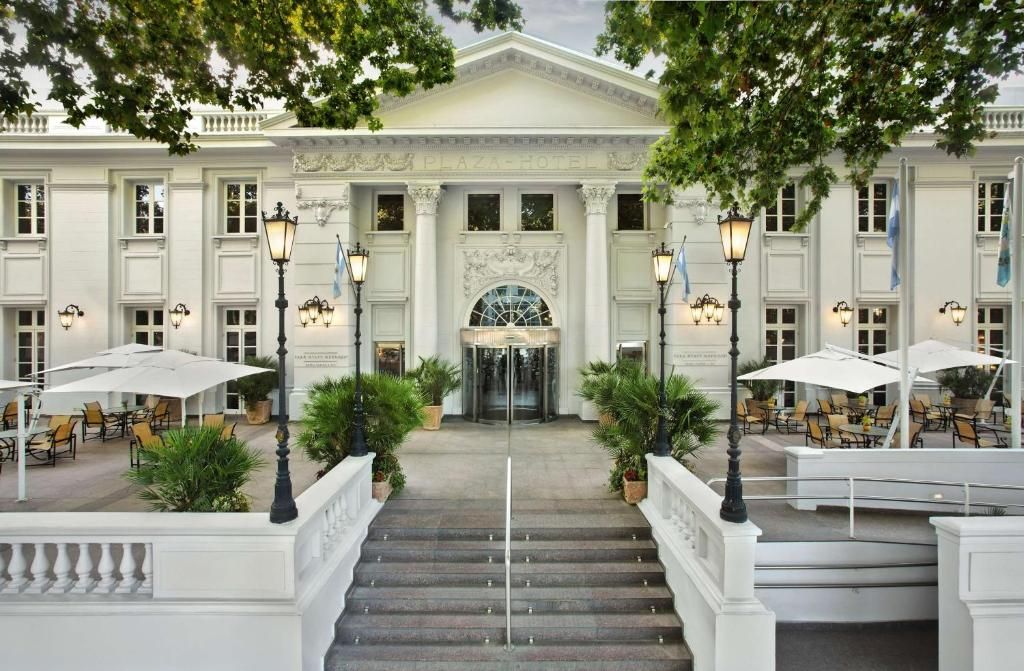
Staying in Mendoza's wine country transforms a tasting trip into a complete sensory experience. The finest vineyard hotels offer more than accommodation — they are living estates where guests wake to vineyard views, dine on produce grown steps from the kitchen, and fall asleep to the silence of the Andes. For those serious about Argentine wine, spending at least two nights in Valle de Uco is not a luxury — it is the only way to truly understand what makes this corner of the world so extraordinary.
Cabernet Franc: Frequently Asked Questions
What does Argentine Cabernet Franc taste like?
Argentine Cab Franc is known for its vivid red fruit — raspberries, red currants, and pomegranate — layered with violet florals and a distinctive herbal note of fresh bell pepper or graphite. The high altitude of Mendoza and the Uco Valley produces wines with naturally bright acidity and silky, fine-grained tannins that set it apart from other red varieties.
How is Argentine Cabernet Franc different from French?
In the Loire Valley, Cab Franc is leaner and more mineral-driven, with earthy, tobacco-like notes and firm acidity. In Argentina, the intense Andean sunshine and dramatic day-night temperature swings create riper fruit, more body, and a plushness that makes the variety more approachable when young — without losing its signature elegance.
What are the best regions for Cabernet Franc in Argentina?
Gualtallary in the Uco Valley (1,400m+) is the crown jewel — volcanic soils and extreme altitude produce benchmark expressions of exceptional concentration and freshness. Los Chacayes and La Consulta are also rising fast. Luján de Cuyo offers a warmer, more structured style with richer, darker fruit character.
What foods pair well with Argentine Cabernet Franc?
Its natural acidity and medium body make it incredibly food-friendly. Classic pairings include asado, lamb chops with herbs, duck confit, mushroom risotto, and aged cheeses. The herbal notes also make it a natural partner for dishes with chimichurri, pesto, or roasted peppers.
Should I age Argentine Cabernet Franc or drink it young?
Both work well. Entry-level expressions are delicious young (2–4 years), when the fruit is at its most vivid. Premium single-vineyard bottles from Gualtallary or Los Chacayes can age beautifully for 8–12 years, developing savory complexity, dried herbs, and earthy secondary notes that rival the great Chinons of the Loire.
What is the ideal serving temperature for Cabernet Franc?
Serve between 16–18°C (61–64°F) — slightly cooler than you might expect for a red wine. This preserves the aromatic complexity and keeps the acidity lively. Serving too warm mutes the floral and herbal notes that make the variety so distinctive.
Utilizamos cookies para mejorar tu experiencia y rastrear los enlaces de afiliados. Al continuar, aceptás nuestro uso de cookies.