Cabernet Sauvignon in Argentina: The King That Found a New Kingdom
Long before Cabernet Sauvignon reached the foothills of the Andes, it had already conquered the world. Born in 17th-century Bordeaux from a chance crossing between Cabernet Franc and Sauvignon Blanc, this grape became the backbone of some of the most celebrated wines in history — Château Latour, Château Margaux, the great estates of the Médoc. But it was in Argentina, and specifically in the high-altitude terroirs of Mendoza, that Cabernet Sauvignon found something it never quite had in the Old World: space, sun, and altitude to become something entirely its own.
The grape arrived in Argentina in the late 19th century, carried by European immigrants — mostly Italian, Spanish, and French — who were transforming the arid lands east of the Andes into a wine-producing civilization. By the mid-20th century, Cabernet Sauvignon was already widely planted across Mendoza. But for decades it played second fiddle to local tastes and bulk production. The real turning point came in the 1990s, when a new generation of winemakers — many trained abroad — began to understand what Argentina's unique conditions could do to this noble grape.
Altitude is the key word. Argentina's Cabernet Sauvignon vineyards sit between 900 and 1,500 meters above sea level, in subregions like Luján de Cuyo, Agrelo, Las Compuertas, and the upper reaches of the Uco Valley. At these elevations, the combination of intense solar radiation, dramatic day-night temperature swings, and low humidity produces grapes with exceptional concentration, deep color, firm but refined tannins, and a freshness rarely found in warmer Cabernet-producing regions. The result is a wine that is bold yet elegant — ripe without being jammy, structured without being austere.
Among the estates that shaped the modern identity of Argentine Cabernet Sauvignon, a few names stand out. Catena Zapata, perhaps Argentina's most internationally recognized winery, has consistently produced benchmark expressions from old-vine parcels in Agrelo and Adrianna Vineyard in Gualtallary. Achaval Ferrer became a sensation in the early 2000s with their single-vineyard Cabernets. Clos de los Siete, the ambitious project conceived by Michel Rolland — the legendary Bordeaux consultant — brought French precision to Mendoza's Valle de Uco. And Viña Cobos, founded by American winemaker Paul Hobbs, demonstrated that world-class Cabernet Sauvignon could emerge from Luján de Cuyo with the same gravitas as a Napa Valley icon.
Today, Argentine Cabernet Sauvignon occupies a fascinating position in the global wine landscape. It is no longer Malbec's shadow. It is a statement in its own right — shaped by Andean winds, molten snowmelt, and the ambition of a country that has always known its wine deserves a place at the world's finest tables.
Argentina · Mendoza · Luján de Cuyo
The King of
Argentine Reds.
Bold, structured, and built to age —
Argentina's Cabernet Sauvignon is ready for your cellar.
Mendoza Wine Country & Cabernet Sauvignon: Where to Stay
Mendoza is not just Argentina's wine capital — it is one of the great wine destinations on earth. Stretched along the eastern foothills of the Andes, this sun-drenched province produces some of the most compelling Cabernet Sauvignon outside of Bordeaux, and visiting it in person is an experience that no tasting note can fully capture. The scale of the landscape alone is humbling: endless rows of vines disappearing toward snow-capped peaks, the air dry and clean at altitude, the light at dusk turning everything the color of the wine in your glass.
Cabernet Sauvignon thrives here precisely because of the conditions that make Mendoza so extraordinary to visit. The same altitude that preserves freshness in the wine — vineyards between 900 and 1,500 meters above sea level — gives the region its intense blue skies and cool nights. Driving through Luján de Cuyo or winding up into the Uco Valley, you are moving through the terroir itself, tasting the landscape before you even uncork a bottle.
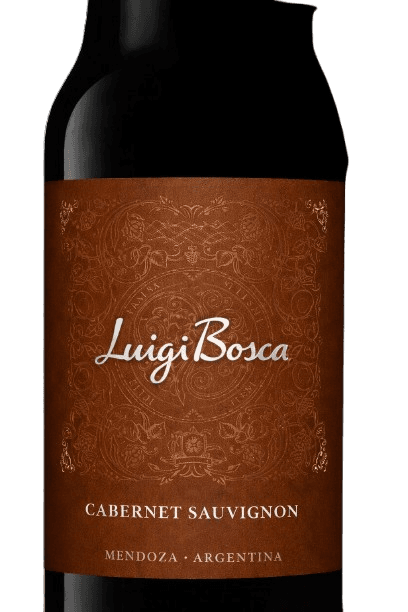
The wineries of Mendoza have long understood that hospitality is part of the experience. Many of the region's finest estates offer cellar door tastings, vineyard lunches, and private tours that bring Cabernet Sauvignon to life in a way no retail shelf ever could. Producers like Catena Zapata, Luigi Bosca, and Achaval Ferrer welcome visitors into their world — into the barrel rooms, the old-vine parcels, the stories behind each vintage.
And when the day's tasting is done, Mendoza rewards you with hotels that match the ambition of its wines. Whether you choose to stay in the heart of the city or surrender entirely to a luxury resort surrounded by vines, the accommodation here is as carefully considered as the winemaking itself. The hotels below have been selected for one reason above all: they make a great Cabernet Sauvignon taste even better.
Argentina · Where Cabernet Sauvignon Meets World-Class Hospitality
The Boldest Wine Deserves the Finest Stage.
Cabernet Sauvignon is Argentina's most structured, age-worthy red — powerful yet elegant, shaped by Andean altitude and dramatic temperature swings. These hotels were chosen to match that same ambition: places where a great glass of Cab feels completely, perfectly at home.
Park Hyatt Mendoza
📍 Ciudad de Mendoza, Argentina
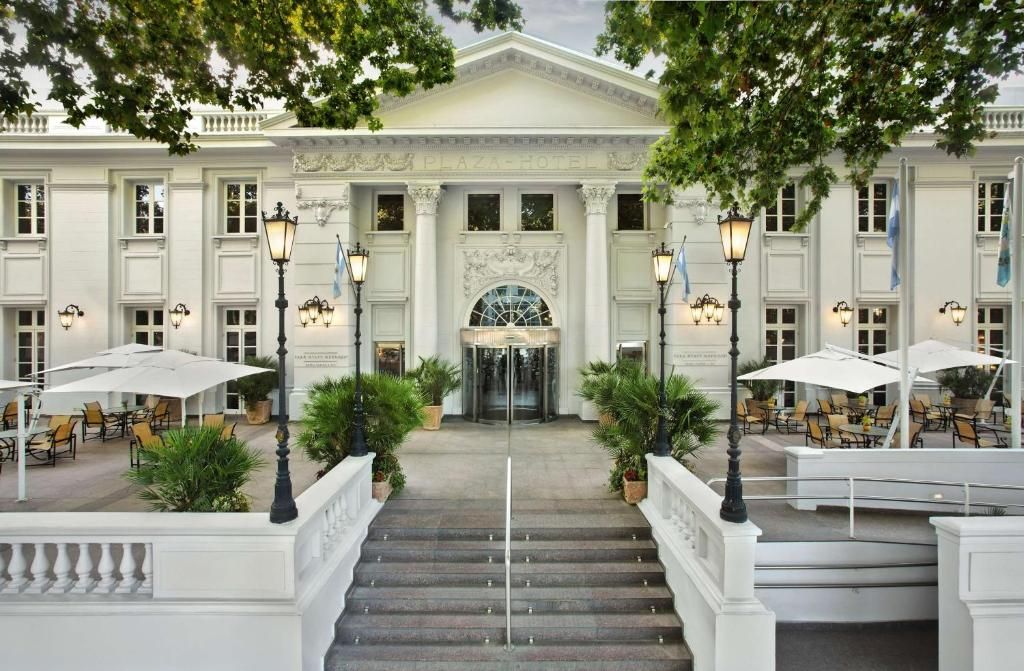
If Cabernet Sauvignon had a home address in Argentina, it would be here. The Park Hyatt Mendoza sits at the heart of the wine capital of the Southern Hemisphere — a colonial landmark transformed into a five-star sanctuary, with a rooftop pool overlooking the Andes, a cellar stocked with the finest Mendoza Cabernets, and a terraza where the first glass of the evening always feels like an event. Luján de Cuyo is minutes away. Greatness is already on the menu.
Casa de Uco
📍 Valle de Uco, Mendoza
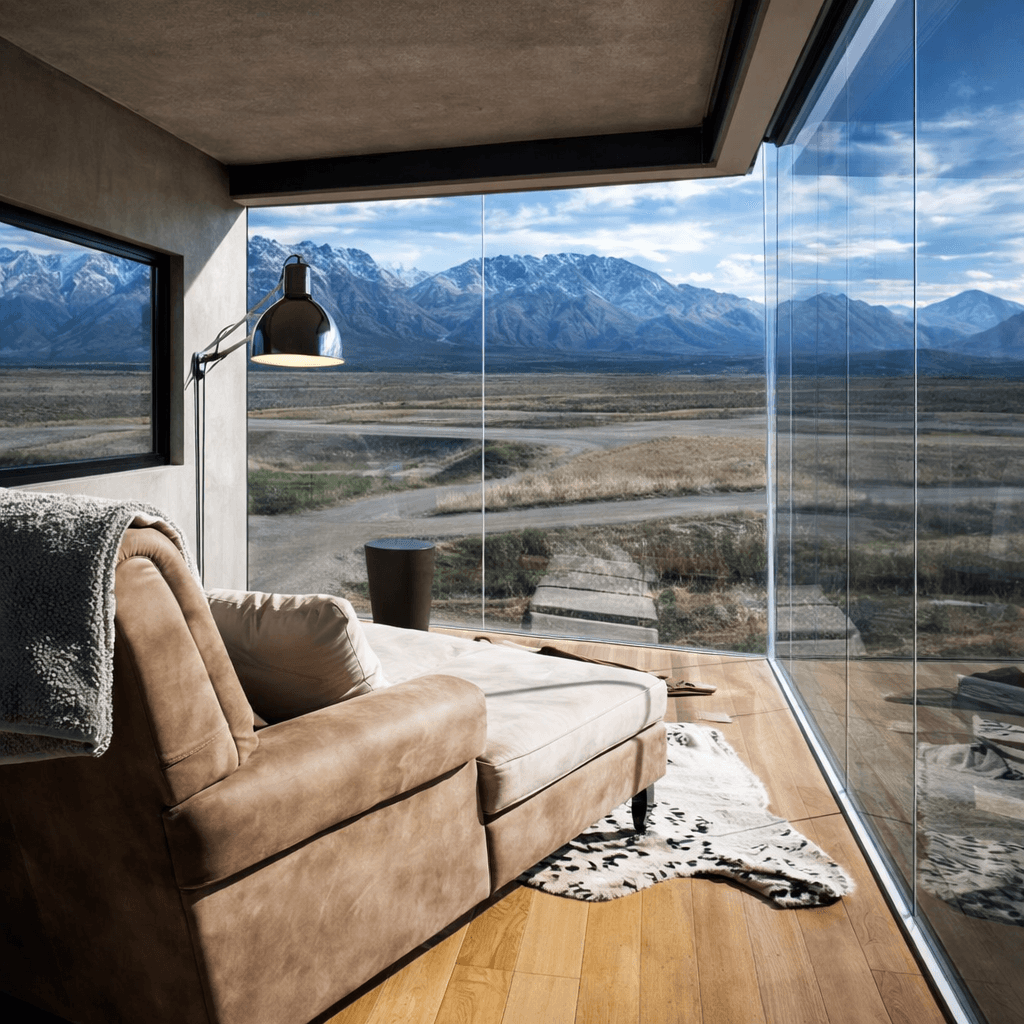
This is where Cabernet Sauvignon reaches its highest expression in Argentina. The Uco Valley's altitude, volcanic soils, and extreme day-night temperature swings produce wines of breathtaking precision — and Casa de Uco sits at its very center. Three hundred hectares of vineyards, a modernist spa, farm-to-table cuisine and an infinity pool facing the cordillera. Stay here and feel why this grape was always destined for greatness at altitude.
Frequently Asked Questions: Cabernet Sauvignon in Argentina
What makes Argentine Cabernet Sauvignon different from other regions?
Argentina's high-altitude vineyards — many sitting between 900 and 1,500 meters above sea level — give Cabernet Sauvignon a unique character. The intense Andean sun builds deep color and concentration, while the dramatic temperature swings between day and night preserve natural acidity and freshness. The result is a wine that feels ripe and powerful but never heavy or overcooked, a balance that warmer, low-altitude regions struggle to achieve.
Which is the best region in Argentina for Cabernet Sauvignon?
Luján de Cuyo, in Mendoza, has historically been considered the heartland of Argentine Cabernet Sauvignon. Subregions like Agrelo and Las Compuertas are famous for producing structured, age-worthy expressions. More recently, the Uco Valley — especially Gualtallary and Vista Flores — has emerged as an exciting frontier, adding extra freshness and minerality to the grape's profile.
How does Argentine Cabernet Sauvignon compare to Malbec?
While Malbec is Argentina's flagship grape, Cabernet Sauvignon offers a different but equally compelling experience. Malbec tends to be plush, velvety, and fruit-forward. Cabernet Sauvignon is firmer, more structured, with firmer tannins and greater aging potential. Think of Malbec as the welcoming side of Argentina and Cabernet Sauvignon as its more serious, contemplative expression.
What food pairs well with Argentine Cabernet Sauvignon?
The natural home of Cabernet Sauvignon is alongside red meat, and in Argentina that means one thing above all: asado. A slow-grilled beef rib or a thick-cut sirloin matches the wine's tannins and intensity perfectly. Beyond the classic pairing, it also works beautifully with lamb, aged hard cheeses, mushroom-based dishes, and dark chocolate desserts.
Can Argentine Cabernet Sauvignon age well?
Absolutely. The best expressions from Luján de Cuyo and the Uco Valley have the structure, acidity, and tannin framework to develop gracefully in the bottle for 10 to 20 years. Wines from producers like Catena Zapata, Achaval Ferrer, and Viña Cobos have demonstrated genuine aging potential on the international stage.
What is the typical price range for a good Argentine Cabernet Sauvignon?
Argentina offers exceptional value across all price points. A solid, everyday Cabernet Sauvignon can be found for under $15. Mid-range bottles between $20 and $50 often deliver outstanding quality from well-known subregions. At the premium level, single-vineyard and reserve expressions from top estates can reach $80 to $150 or more — and regularly compete with wines twice their price from other parts of the world.
Is Argentine Cabernet Sauvignon easy to find outside Argentina?
Yes. Argentine Cabernet Sauvignon is widely exported, particularly to the United States, Europe, and Brazil. Major online wine retailers carry a solid selection, and it is increasingly present in fine dining wine lists worldwide.
Utilizamos cookies para mejorar tu experiencia y rastrear los enlaces de afiliados. Al continuar, aceptás nuestro uso de cookies.