Argentina's Chardonnay Moment Has Arrived
For decades, Chardonnay was a grape in crisis. Too oaky in California. Too austere in Chablis. Too predictable almost everywhere else. Then something unexpected happened in the high Andes: Argentine winemakers, working at altitudes that seemed almost reckless, began producing Chardonnays that didn't fit any existing category.
These weren't wines trying to imitate Burgundy. They weren't chasing the California dream. They were something genuinely new — shaped by calcareous soils, extreme UV radiation, and temperature swings that can exceed 20°C in a single day. Wines with the freshness of a mountain spring and the complexity of a grand cru.
The world's leading critics noticed immediately. Robert Parker's Wine Advocate began awarding 95+ points to bottles from Gualtallary and Tupungato. Wine Spectator followed. James Suckling called the Adrianna Vineyard "one of the greatest white wine vineyards on the planet." And Descorchados — the most authoritative South American wine guide — consistently gives Argentine Chardonnay its highest scores of any white variety.
Behind these results are winemakers willing to question everything. Alejandro Vigil at Catena Zapata spent years mapping the Adrianna Vineyard block by block — studying soil composition, sun exposure, and water retention at a level of detail more common in Burgundy than in South America. At Zuccardi Valle de Uco, Sebastián Zuccardi embraced concrete fermentation and minimal intervention to let Gualtallary's raw limestone character speak without interference. Further south in Patagonia's Río Negro Valley, producers like Humberto Canale are coaxing remarkable finesse from cold-climate Chardonnay — wines of northern European precision that remain significantly undervalued by the international market.
What unites all of them is a deep understanding of what altitude does to this grape. At 1,400 meters above sea level, intense UV radiation triggers thicker grape skins, concentrating flavors and phenolic compounds. Cold nights slow the vine's metabolism, preserving natural acidity that warmer climates simply cannot retain. The result in the glass is unmistakable: citrus blossom and green apple on the nose, white peach and crushed chalk on the palate, and a saline, mineral finish that lingers long after the last sip.
This is not California Chardonnay. This is not white Burgundy. This is something Argentina has made entirely its own — and the world is only beginning to pay attention.
Argentina · High-Altitude White Wines
Chardonnay Grape
Forget everything you know about Chardonnay. Argentina's vineyards — some above 1,200 meters in the Andes — produce a style worlds apart from the heavy, butter-soaked bottles that dominated California cellars for decades. Thin mountain air, intense UV, and dramatic temperature swings yield wines of razor-sharp acidity, vibrant citrus, and mineral depth you can taste in the glass.
While Napa leans into oak and cream, the Argentine version is a wake-up call — leaner, fresher, more alive. This is the Chardonnay that will change your benchmark.
Curated Selection · Available on Wine.com · Ships across the USA
Shop the Best Argentine Chardonnays
World-Class Argentine Chardonnay Under $25
Critic-acclaimed bottles that over-deliver at every price point
— Sommelier's Pick
Trapiche
Medalla Chardonnay 2021
Mendoza, Argentina
Tropical fruits, honeysuckle and brioche on the nose. Crisp and full-bodied on the palate with vibrant minerality and a charming, persistent finish.
90 pts Sommeliers Choice Awards 2024
Estimated Price
~$25
View on Wine.com →— Best Value
Zuccardi
Q Chardonnay 2023
Gualtallary & El Peral, Uco Valley
Apricot, white peach, mango. Half concrete, half 500L oak — pure terroir with vibrant, creamy structure.
91 pts Wine Enthusiast · #16 Top Value 2024
Estimated Price
~$25
View on Wine.com →— Daily Luxury
Luigi Bosca
Chardonnay 2024
Luján de Cuyo, Mendoza
Pear, apple, tropical fruit, citrus blossom. Bright acidity, floral finish. The perfect entry point into Argentine Chardonnay.
Graphite · lime · stone fruit — Wine Enthusiast
Estimated Price
~$24
View on Wine.com →*Prices and availability are subject to change on Wine.com.
The Winemakers Rewriting the Rules
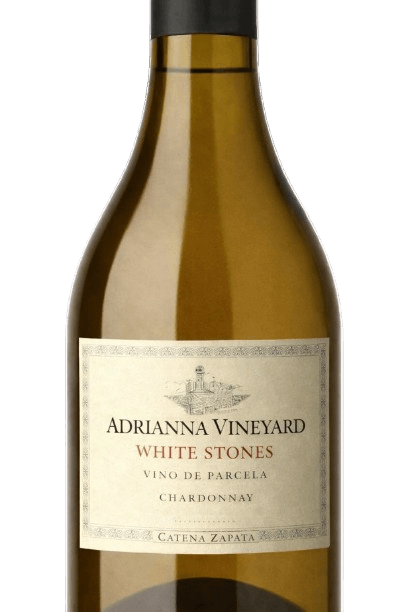
Behind every great Argentine Chardonnay is a winemaker willing to question received wisdom. Alejandro Vigil at Catena Zapata spent years mapping the Adrianna Vineyard block by block — studying soil composition, sun exposure, and water retention at a level of detail more common in Burgundy than in South America. The result was White Stones, a Chardonnay that routinely earns scores above 96 points and sells out within weeks of release.
At Zuccardi Valle de Uco, Sebastián Zuccardi took a different path — embracing concrete fermentation vessels and minimal intervention to let the raw mineral character of Gualtallary's limestone soils express themselves without interference. His Q Chardonnay has become a benchmark for what high-altitude white wine can achieve at an accessible price.
Further south, in Patagonia's Río Negro Valley, producers like Humberto Canale are coaxing remarkable finesse from cold-climate Chardonnay — wines with a northern European precision that surprises even the most seasoned tasters.
These are not accidents. They are the product of obsession, altitude, and exceptional terroir.
The Science Behind the Glass
The Terroir Advantage
At altitudes where most winemakers wouldn't dare plant, Argentina's Chardonnay finds its voice. The Andes' extreme elevation creates a paradox of intensity: blazing daytime sun builds ripe, complex fruit, while frigid nights slam the brakes on sugar accumulation — locking in natural acidity and mineral precision that warmer climates simply cannot replicate.
Beneath the vines, calcareous soils rich in limestone and chalk starve the roots of nutrients, forcing them deeper in search of water. The result is a wine of uncommon tension — concentrated yet electric, rich yet razor-sharp. Add 300 days of Andean sunshine and you begin to understand why sommeliers worldwide are paying attention.
This is not California. This is not Burgundy. This is something entirely new.
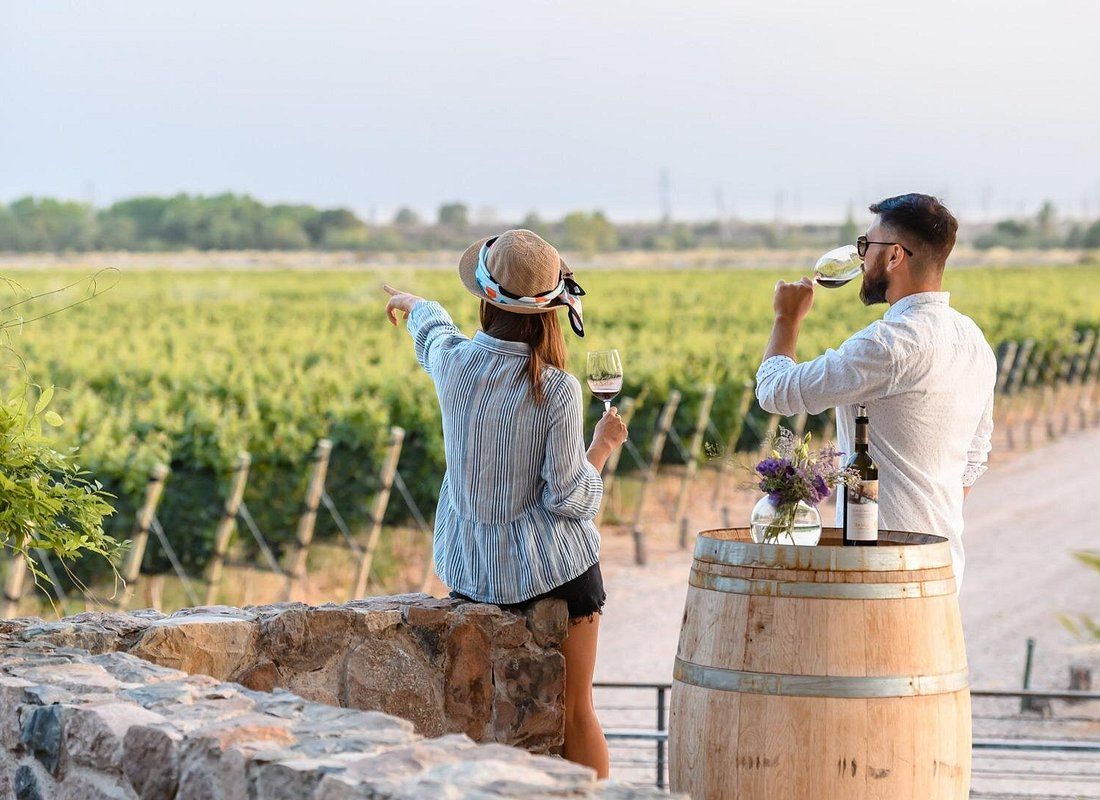
Mendoza · Argentina · High Altitude
Where the Andes Shape Every Sip
Luján de Cuyo · Valle de Uco · Gualtallary · Patagonia
Where the Magic Happens
Key Chardonnay Regions
— The Premium Heart
Uco Valley
Gualtallary · Tupungato · Vista Flores
Nestled at the foot of the Andes at over 1,000 meters, Uco Valley is Argentina's most celebrated white wine frontier. Gualtallary's chalk and limestone soils produce Chardonnays of extraordinary mineral tension — think crushed stone, citrus zest, and a saline finish that lingers for minutes. Tupungato adds floral elegance. Together, they are rewriting the global Chardonnay map.
— The Wild South
Patagonia
Río Negro · Neuquén · San Patricio del Chañar
Where the Andes meet the wind-swept steppe, Patagonia produces Chardonnays of breathtaking purity and finesse. The cold desert climate of Río Negro and Neuquén yields wines with laser-sharp acidity, pale gold color, and aromas of green apple, white blossom, and river stone. Lower alcohol, higher tension — a style that speaks directly to the European-trained palate craving something genuinely different.
Plan Your Journey
Experience the Chardonnay Regions
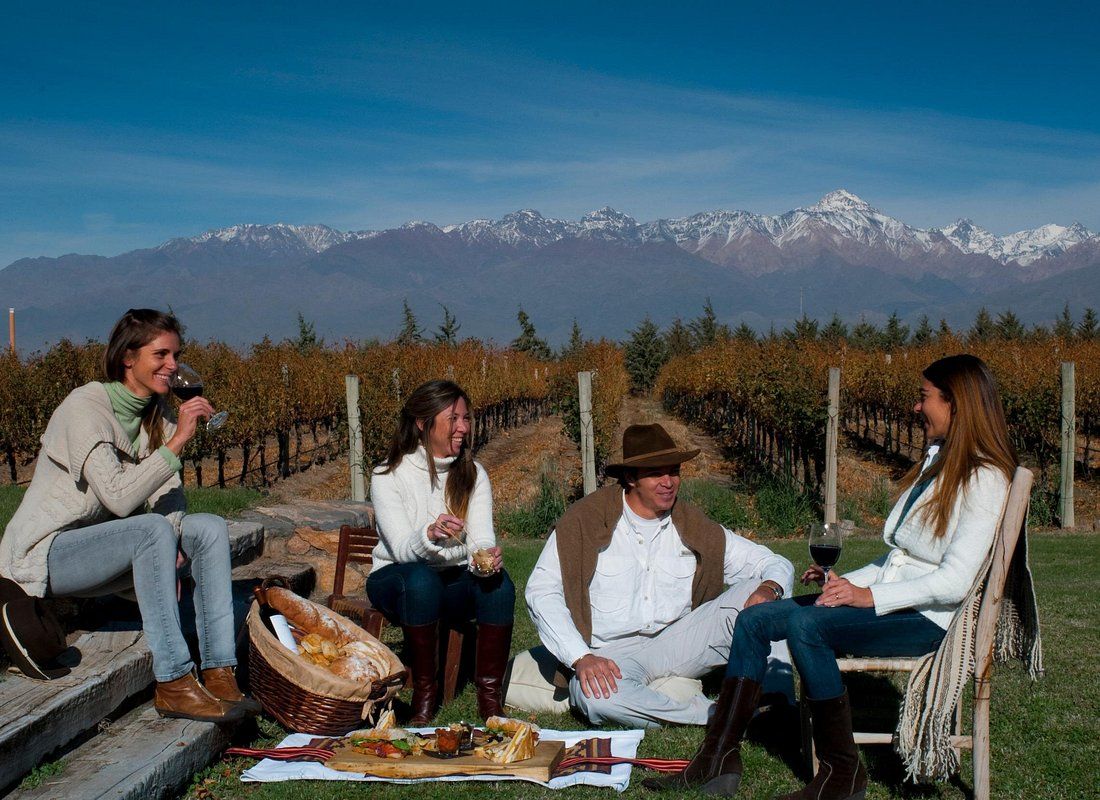
Argentina · Wine Country · Enotourism
Live the Wine Experience First-Hand
Guided tours · Cellar tastings · Vineyard stays · Harvest experiences
Sleep Among the Vines
Wake up surrounded by high-altitude vineyards. These hand-picked wine lodges in the Uco Valley place you at the heart of Argentina's finest Chardonnay country — minutes from the wineries, under a sky full of Andean stars.
The Vines Resort & Spa
Valle de Uco, Mendoza
Casa de Uco Vineyards Hotel
Valle de Uco, Mendoza
Tour the Vineyards
From intimate cellar tastings in Mendoza's Uco Valley to wild Patagonian winery experiences, these expert-guided tours take you behind the bottle.
"The best way to understand Argentine Chardonnay is to stand in the vineyard at 1,400 meters, glass in hand, with the Andes at your back."
- ✓ Free cancellation on most tours
- ✓ English-speaking expert guides
- ✓ Small group experiences
- ✓ Instant confirmation
- ✓ Cellar tastings included
Frequently Asked Questions: Argentine Chardonnay
What makes Argentine Chardonnay different from other regions?
Argentine Chardonnay is defined by altitude. Vineyards in Mendoza's Uco Valley and Patagonia's Río Negro sit between 900 and 1,500 meters above sea level — higher than virtually any other major Chardonnay-producing region on earth. This extreme elevation creates intense UV radiation, dramatic day-to-night temperature swings of up to 20°C, and calcareous soils that force the vine to work harder for nutrients. The result is a style with razor-sharp natural acidity, concentrated fruit, and a mineral precision that sets it apart from both Californian and Burgundian expressions of the grape.
Which is the best region for Chardonnay in Argentina?
Mendoza's Uco Valley — particularly the sub-zones of Gualtallary and Tupungato — is widely considered Argentina's finest Chardonnay territory. Gualtallary's chalk and limestone soils at over 1,400 meters produce wines of extraordinary mineral tension and complexity. Patagonia, especially Río Negro, is a rising star for a cooler, more restrained style with elegant acidity and floral precision. Both regions are producing world-class bottles that compete directly with top-tier European and American Chardonnay.
What food pairs well with Argentine Chardonnay?
The high-altitude style — leaner and more mineral than oaked Californian Chardonnay — opens up a wide range of pairing possibilities. Seafood works beautifully: grilled river trout, king crab, and oysters all complement the wine's natural acidity and saline finish. For something more Argentine, try pairing a Uco Valley Chardonnay with empanadas de humita or a creamy pasta. A barrel-fermented expression from Gualtallary is exceptional alongside roasted chicken or aged hard cheese with honey.
How much does good Argentine Chardonnay cost?
Argentine Chardonnay offers outstanding value across all price tiers. Entry-level bottles from producers like Luigi Bosca and Trapiche deliver genuine quality for $20–$25. Mid-range options from Zuccardi and Achaval Ferrer sit between $30–$60 and regularly earn 91–94 point scores from international critics. At the top end, single-vineyard icons like Catena Zapata's Adrianna Vineyard White Stones ($130–$150) are considered among the finest white wines produced anywhere in the world.
Where can I buy Argentine Chardonnay online in the USA?
Wine.com is the most reliable source for Argentine Chardonnay with delivery across the United States. The selection covers everything from accessible everyday bottles to limited-production icon labels. All wines featured on vinosargentinos.com are available through our curated Wine.com affiliate links, with verified stock and direct-to-door shipping across most US states.
Utilizamos cookies para mejorar tu experiencia y rastrear los enlaces de afiliados. Al continuar, aceptás nuestro uso de cookies.