
Argentine Malbec: The Complete Guide to Argentina's Iconic Wine
Argentine Malbec is one of the great success stories of the wine world. Born in the vineyards of southwestern France, this grape found its true home in the high-altitude terroirs of Mendoza, Argentina — where extreme UV radiation, stony soils, and dramatic temperature swings transform it into something the Old World never imagined possible. Today, Argentina produces over 70% of the world's Malbec, and Mendoza sits at the center of a global fine wine revolution.
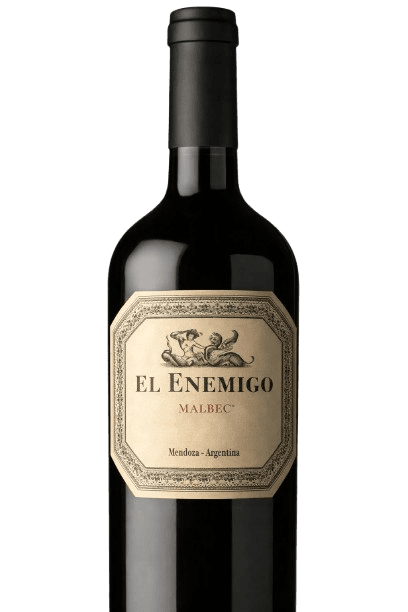
What sets Argentine Malbec apart is altitude. Vineyards here grow between 900 and 3,300 metres above sea level — higher than anywhere in Europe. The result is a wine of extraordinary duality: deeply concentrated yet fresh, velvety yet structured, approachable yet capable of aging for a decade or more. From the benchmark Catena Malbec to the collectible single-vineyard releases of Gualtallary, no other grape offers this range of quality and value in a single bottle.
This is your complete guide — top-rated bottles available to buy online, the best Mendoza wine tours, luxury vineyard hotels, food pairings, and everything you need to know about Argentina's most iconic grape.
Argentina · Mendoza · High Altitude
Argentine Malbec:
Andean Elegance
Altitude, freshness and the sophisticated soul
of Argentine terroir — where the Andes meet the glass.
Planning Your Argentine Wine Trip: What to Know Before You Go
Argentina rewards the prepared traveller. The best time to visit wine country is March and April — harvest season — when the vineyards are alive with activity, temperatures are mild, and most wineries offer special harvest experiences unavailable at any other time of year. Booking vineyard hotels directly through Booking.com gives access to free cancellation on most rates, which is essential when building a flexible itinerary across multiple regions. A well-planned week can cover Mendoza's Uco Valley, a day trip to Luján de Cuyo, and even a flight north to Cafayate in Salta — three completely different expressions of Argentine wine in seven days.
Argentine Malbec · Wine Tourism · High Altitude Experiences
Sleep among the vines.
Experience Malbec from the inside.
From the high-altitude valleys of Mendoza to the southernmost tip of Patagonia — a curated selection of stays to experience Argentine Malbec the way it deserves.
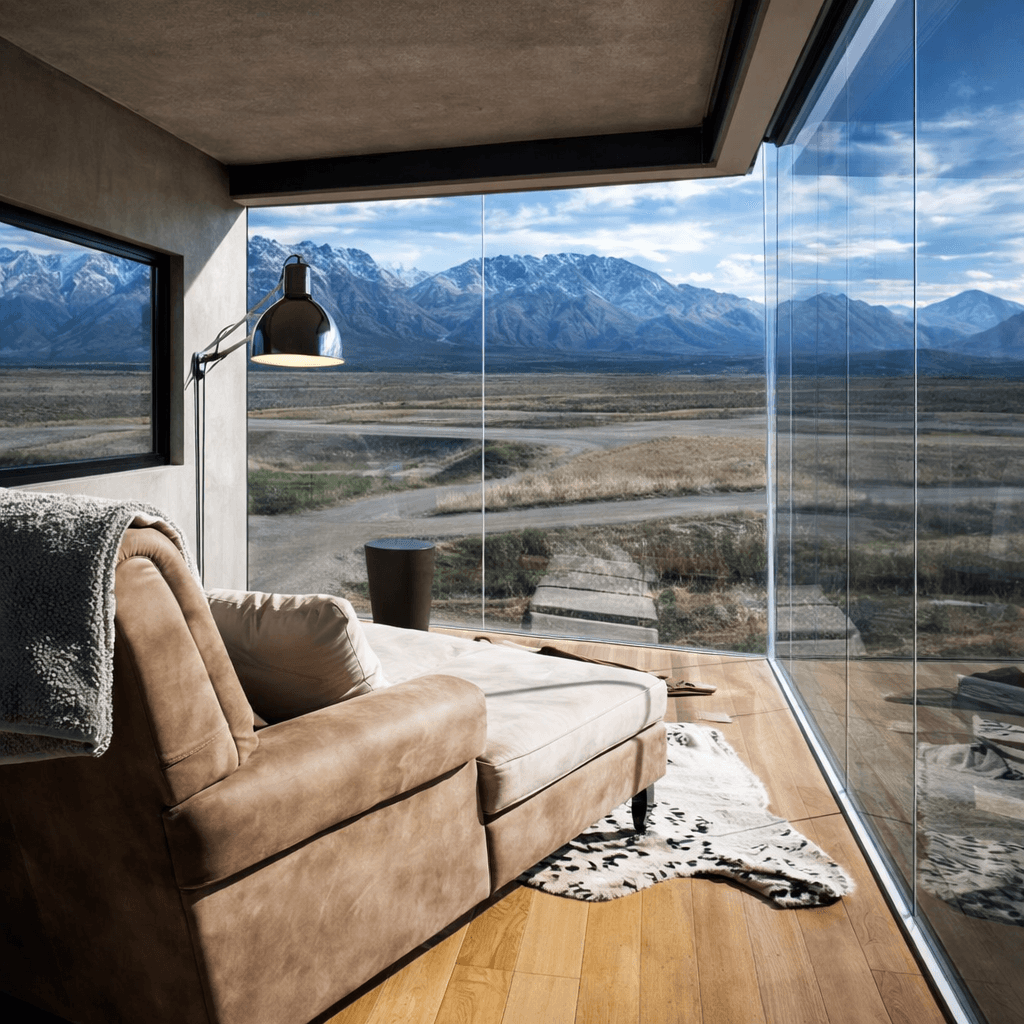 Luxury Resort · Uco Valley
Casa de Uco
📍 Uco Valley, Mendoza
A modernist retreat across 790 acres of vineyards at the foot of the Andes. Grape-based spa treatments, farm-to-table restaurant, and some of Argentina's most refined Malbecs right outside your door.
Book Now →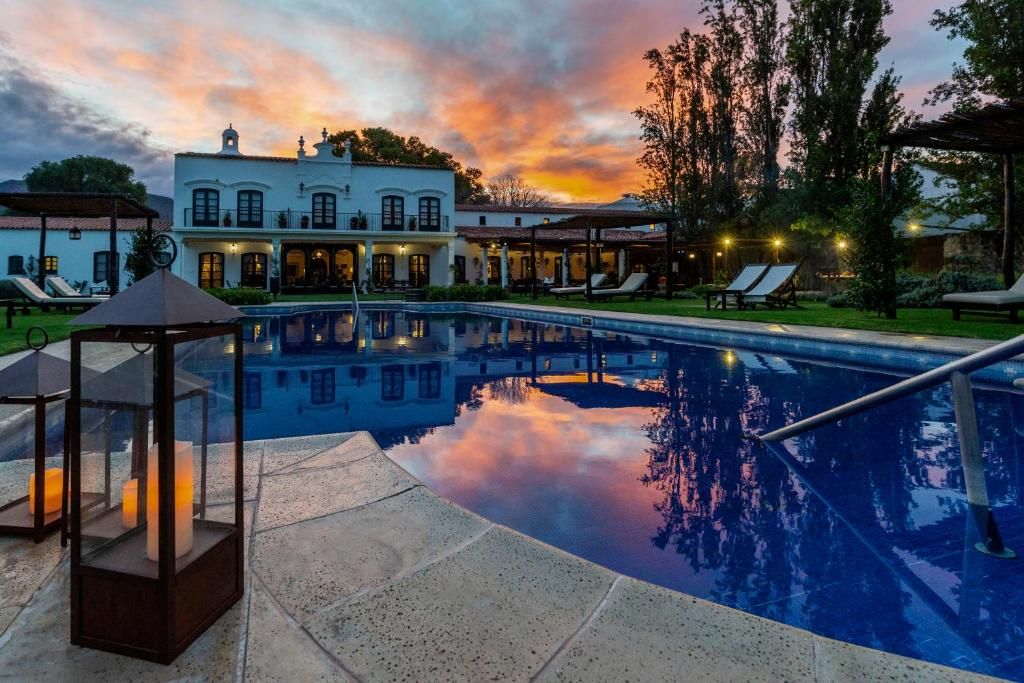 Winery Hotel · Cafayate
Patios de Cafayate
📍 Cafayate, Salta
Colonial-style elegance on the historic grounds of Bodega El Esteco, founded in 1892. A complimentary glass of Torrontés each afternoon, and high-altitude Malbec from the Calchaquí Valleys just steps away.
Book Now →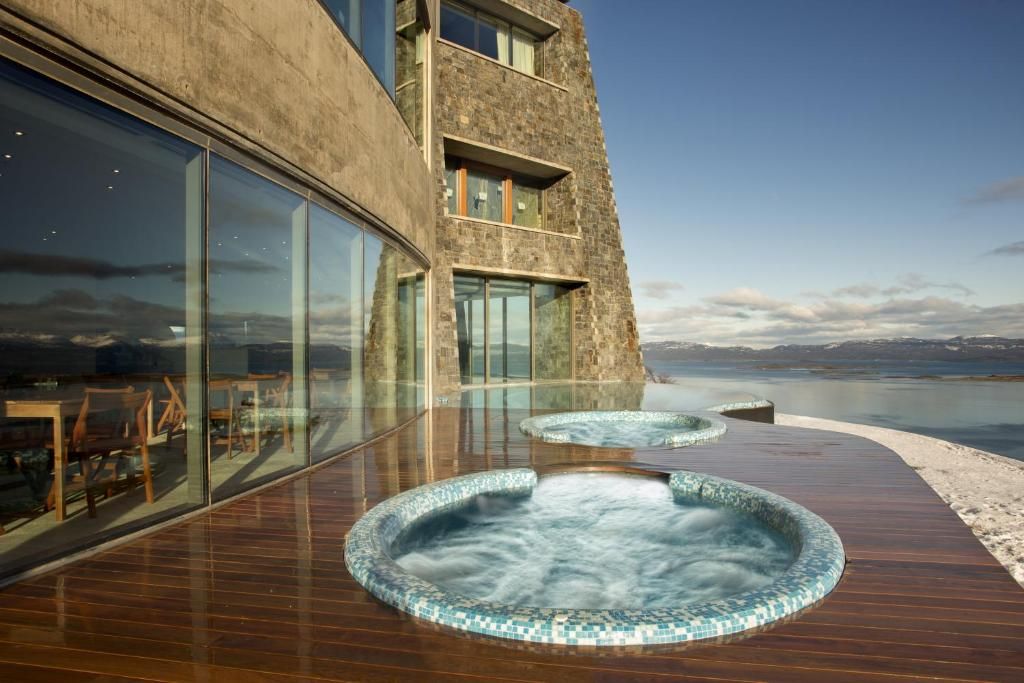 Luxury Resort · Ushuaia
Arakur Ushuaia Resort & Spa
📍 Ushuaia, Tierra del Fuego
Perched 790 feet above the world's southernmost city, overlooking the Beagle Channel. Glacial-water spa, hiking trails from the door, and a gateway to Patagonia's wildest Pinot Noir and Malbec.
Book Now →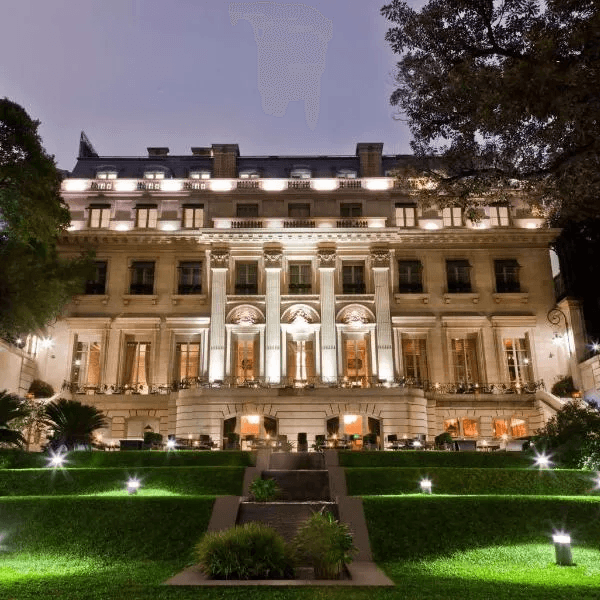 City · Buenos Aires
Palacio Duhau - Park Hyatt Buenos Aires
📍 Recoleta, Buenos Aires
The Paris of South America — world-class steakhouses, tango, stunning European architecture and a cultural scene that never stops. A landmark palace hotel in Recoleta with a 500-label wine cellar — the perfect gateway before heading into Argentina's wine country.
Book Now →Discover Argentina's Wine Country Firsthand
Reading about Argentine Malbec is one thing. Standing in the middle of a Mendoza vineyard with the Andes as your backdrop is something else entirely. Argentina's wine regions are among the most breathtaking landscapes on earth — and the best way to experience them is with a guided tour.
From full-day winery visits in the Uco Valley to sunset tastings in Luján de Cuyo, Viator offers a curated selection of expert-led wine experiences across Argentina's top regions. Skip the guesswork and let a local guide take you straight to the best bottles, the best views, and the best stories.
Mendoza, Argentina · Handpicked Experiences
Taste Malbec
Where It Was Born.
These are not ordinary tours. They are invitations into the cellars, vineyards, and mountain roads that make Mendoza the wine capital of the Southern Hemisphere. Expert guides. Legendary bodegas. Memories that outlast any bottle.
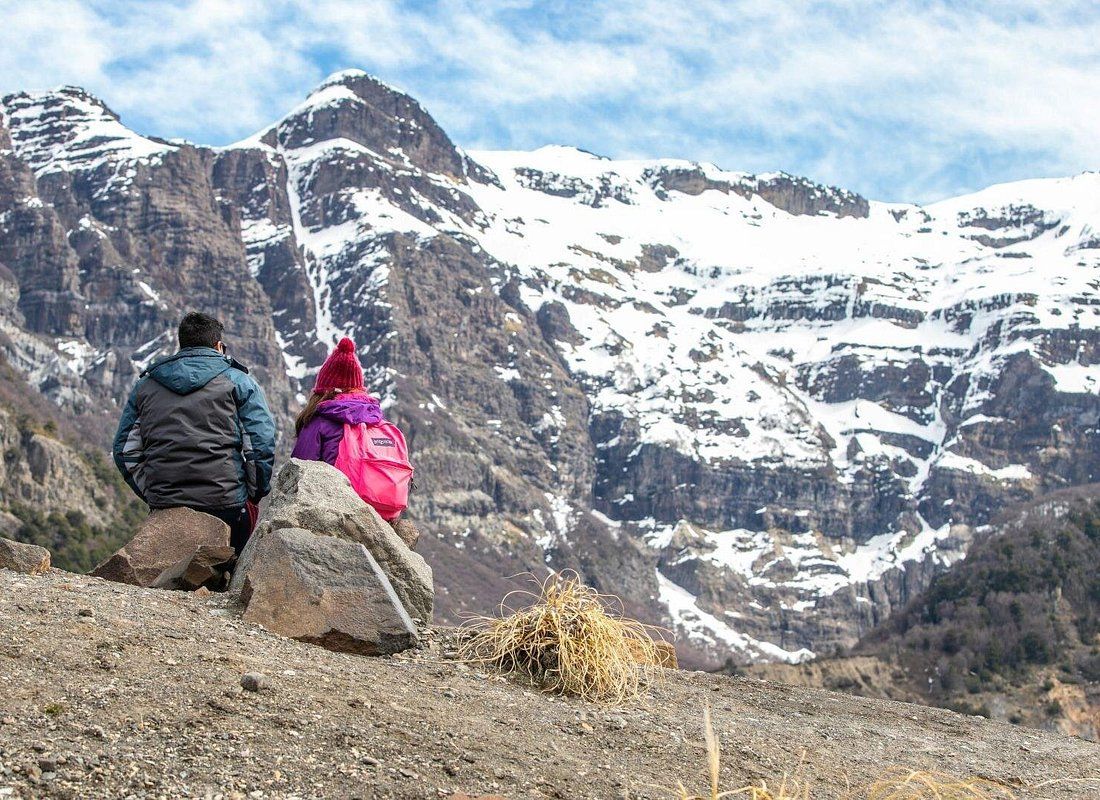
High Mountain, Aconcagua and Inca Bridge
📍 Mendoza, Argentina
✓ Free Cancellation
from $65
Book Now →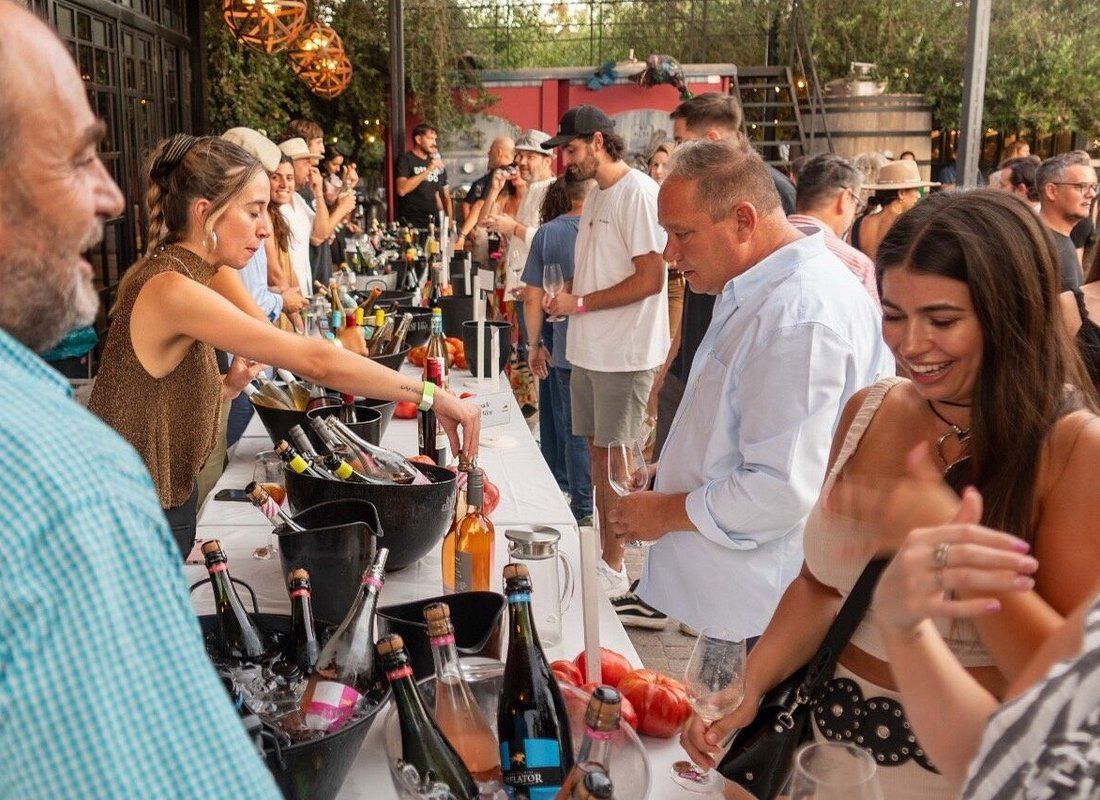
All Day, Small Group, Luxury Wine Tour with Gourmet Lunch
📍 Mendoza, Argentina
✓ Free Cancellation
from $250
Book Now →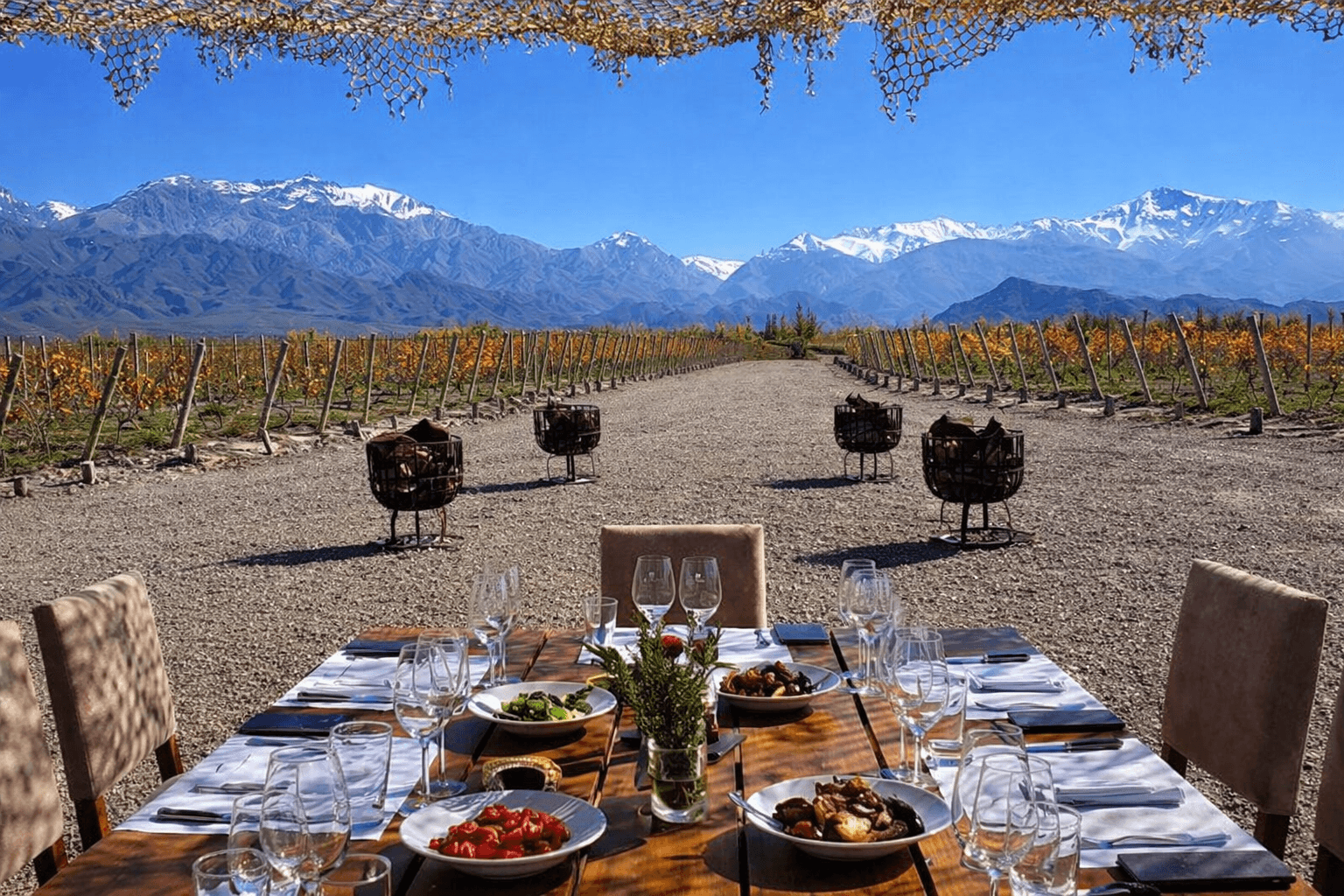
Three Regions. One Legendary
Grape.Argentina's Malbec story is told across three very different landscapes. In the sun-drenched valleys of the North, extreme altitude produces wines of rare floral intensity. In Cuyo — home to Mendoza, the world capital of Malbec — the grape reaches its fullest, most celebrated expression. Further south, Patagonia's cold winds and long days yield a leaner, more elegant style unlike anything else in the world.
Click on each region below to explore its altitude, climate, iconic wineries, and the unique character it brings to Argentina's most beloved grape.
Frequently Asked Questions About Argentine Malbec
What makes Argentine Malbec different from French Malbec?
In France, Malbec is a blending grape — thin-skinned, acidic, and rarely bottled on its own. In Argentina, the combination of high altitude, intense sun, and dramatic temperature swings transformed it into a full-bodied, fruit-forward varietal wine with silky tannins and remarkable depth. They share the same grape, but they taste like two completely different wines.
What does Argentine Malbec taste like?
Expect ripe plum, blackberry, and dark cherry, often layered with notes of chocolate, violet, and vanilla from oak aging. High-altitude expressions from the Uco Valley add a mineral edge and fresher acidity, while warmer valley wines tend to be richer and rounder.
What food pairs well with Argentine Malbec?
Malbec was practically made for Argentine asado — grilled beef, short ribs, and lamb are classic pairings. It also works beautifully with braised meats, hard cheeses, mushroom risotto, and dark chocolate. If you're in the US, try it with a good ribeye or pulled pork.
Is Argentine Malbec expensive?
Not at all — it's one of the best value categories in wine. Excellent everyday bottles start around $12–15, while serious single-vineyard expressions from producers like Zuccardi, Achaval Ferrer, or Catena Zapata can reach $50–150+. The quality-to-price ratio is hard to beat anywhere in the world.
What's the best region for Argentine Malbec?
Mendoza produces about 70% of Argentina's Malbec and is widely considered the world capital of the grape. Within Mendoza, the Uco Valley — particularly Gualtallary and Altamira — is producing the most exciting, terroir-driven expressions right now. Luján de Cuyo is the historic heartland for classic, full-bodied styles.
When is the best time to visit Argentina's wine regions?
Harvest season runs from late February through April, which is the most exciting time to visit — you can see the vineyards in full action. Spring (September–November) is also excellent, with mild temperatures and fewer crowds. Mendoza is beautiful year-round, but avoid the peak summer heat of January.
Utilizamos cookies para mejorar tu experiencia y rastrear los enlaces de afiliados. Al continuar, aceptás nuestro uso de cookies.