
Torrontés: Argentina's Most Aromatic White Grape
Argentina has given the wine world many gifts — the high-altitude Malbec, the mineral Cabernet Franc of Gualtallary, the cool-climate Pinot Noir of Patagonia. But perhaps its most original contribution is a grape that grows nowhere else on earth with the same authority, the same personality, the same unmistakable presence: Torrontés.
This is Argentina's white wine signature. Not an import from Europe shaped by centuries of tradition elsewhere. Not an adaptation of a French or Italian variety trying to find its footing in South American soil. Torrontés is genuinely, defiantly Argentine — a grape that emerged from the country's own viticultural history and found its highest expression in one of the most dramatic wine landscapes on the planet: the high-altitude valleys of Salta, in the northwest of Argentina, where vineyards climb above 2,000 meters and the air is thin, the sun is fierce, and the nights are cold enough to preserve every atom of aromatic intensity the grape can produce.
Pour a glass of well-made Torrontés and the aromatics hit you before the wine even reaches your lips. Jasmine. Rose petals. Orange blossom. White peach. A burst of perfume so vivid and so precise that first-time drinkers often assume the wine must be sweet. It isn't. That is the Torrontés paradox — a nose of extraordinary floral richness sitting above a palate that is dry, crisp, and refreshingly taut. It is one of the most distinctive sensory experiences in white wine, full stop.
The key to understanding why Torrontés achieves this profile in Argentina lies in altitude. The vineyards of Cafayate — the spiritual home of premium Torrontés — sit between 1,600 and 2,000 meters above sea level in the Calchaquí Valleys of Salta province. At this elevation, intense UV radiation concentrates the aromatic compounds in the grape's skin while cold nights lock in natural acidity. The result is a wine of remarkable tension: explosively aromatic yet disciplined, generous yet precise. No other region on earth produces Torrontés at this level of complexity.
For the American wine drinker looking beyond the familiar — beyond Sauvignon Blanc, beyond Pinot Grigio, beyond the hundredth Chardonnay — Torrontés offers something genuinely new. It is a wine that rewards curiosity. A wine that tells a story about a specific place, a specific altitude, a specific culture. And at its best, from producers like El Esteco, Clos de los Siete's white program, or the benchmark Colomé, it is a wine that competes on the world stage without apology.
This is not a niche curiosity. This is one of the great white grapes of the Southern Hemisphere — and most of the world hasn't discovered it yet.
Argentine Torrontés
The Aromatic Selection
Salta & Uco Valley — Argentina's Floral Signature
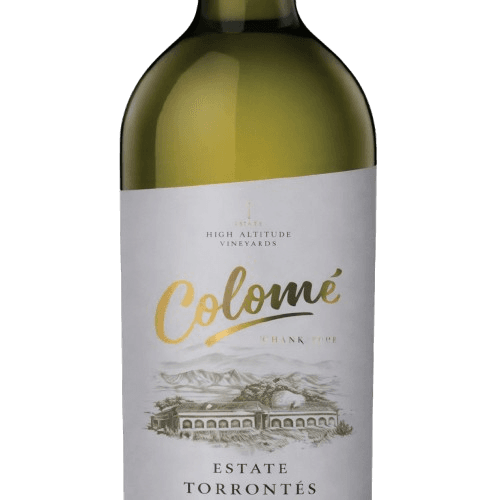
Affiliate links · Purchased via Wine.com · Free shipping available
Aromatic Profile: What Torrontés Tastes Like
Torrontés delivers one of the most immediately recognizable aromatic profiles in white wine. The nose is intensely floral — jasmine, rose petal, and orange blossom dominate, supported by white peach, apricot, and a citrus zest that adds brightness and lift. On the palate, the wine is consistently dry with vibrant acidity, medium body, and flavors of lemon, grapefruit, and stone fruit. The finish is clean and refreshing, with a subtle mineral note that reflects the high-altitude terroir.
The best examples show real complexity — layers of floral and citrus aromatics that evolve in the glass, a texture that is both silky and tense, and a length that surprises given the wine's accessibility. This is not a simple wine wearing a spectacular costume. It is genuinely interesting from first sniff to last sip.
Torrontés Country · Argentina
Where to Stay While Exploring Argentine Torrontés
From Cafayate's high-altitude vineyards to Buenos Aires wine bars — Torrontés follows you across Argentina. Here's where to rest between glasses.
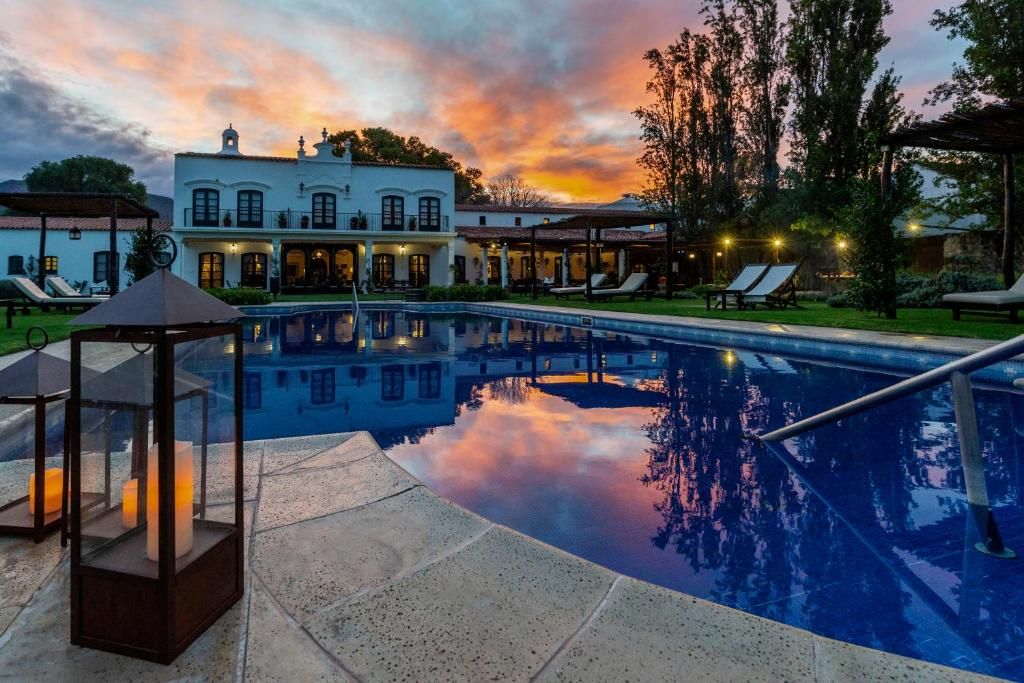
Patios de Cafayate
📍 Cafayate, Salta — 1,683m altitude
Sleep inside the historic grounds of Bodega El Esteco, founded in 1892 and one of Cafayate's benchmark Torrontés producers. Colonial courtyards, vineyard views, and a complimentary glass of Torrontés waiting for you every afternoon. This is Torrontés at its source.
Arakur Ushuaia Resort & Spa
📍 Ushuaia, Tierra del Fuego
Torrontés travels far. At the world's southernmost city, this mountain resort offers panoramic views of the Beagle Channel, a glacier-fed spa, and the acclaimed La Cravia restaurant — where a chilled glass of Salta Torrontés pairs beautifully with Fuegian seafood.


Palacio Duhau - Park Hyatt Buenos Aires
📍 Recoleta, Buenos Aires
Every wine journey through Argentina starts or ends here. Buenos Aires' world-class wine bars and restaurants have embraced Torrontés as the ultimate aperitivo — fresh, aromatic, and utterly Argentine. This landmark Recoleta hotel, home to a 500-label wine cellar, is the perfect base before heading north to Salta.
Casa de Uco
📍 Valle de Uco, Mendoza
Mendoza's Uco Valley is Malbec country — but Zuccardi's high-altitude Torrontés from nearby Gualtallary is rewriting the rules for Argentine white wine. Stay at Casa de Uco and explore both sides of the Andean story: the iconic red and the rising white.

Where Torrontés Grows: Argentina's Key Regions
Cafayate, Salta — The Benchmark At 1,600–2,000 meters in the Calchaquí Valleys, Cafayate produces the world's finest Torrontés. The combination of extreme altitude, intense sunshine, sandy soils, and cold nights creates wines of unmatched aromatic intensity and natural acidity. This is where the grape reaches its fullest potential.
La Rioja — The Floral Expression At lower altitudes, La Rioja produces a softer, more openly floral style of Torrontés with riper fruit and a rounder palate. Less tension than Salta, but charming and approachable — an excellent introduction to the variety.
Mendoza & San Juan — Everyday Quality Both regions produce fruit-forward, easy-drinking Torrontés at accessible price points. Less complex than the Salta benchmark, but reliable, well-made, and ideal for everyday enjoyment.

Salta · Jujuy · Northern Argentina
Torrontés is just the
beginning
The northwest of Argentina is one of the most spectacular travel destinations on earth. Ancient pre-Columbian ruins, salt flats that mirror the sky, the seven-colored hills of Purmamarca, and high-altitude vineyards producing the world's most aromatic white wine. This is wine country like nowhere else.
Tours curated by Viator · Free cancellation · Instant confirmation · English-speaking guides
Food Pairing: What to Eat with Torrontés
Torrontés' floral intensity and vibrant acidity make it a remarkably versatile food wine. It shines alongside spicy and aromatic dishes where a less expressive white would disappear. Classic Argentine pairings include empanadas salteñas — the cumin-spiced meat pastries of Salta — and locro, the hearty Andean stew. Internationally, it is outstanding with Southeast Asian cuisine, Thai green curry, Vietnamese spring rolls, and Moroccan tagine. Seafood is a natural match: grilled river trout, ceviche, and shellfish all benefit from the wine's acidity and aromatic lift. For cheese, try fresh goat cheese or mild sheep's milk varieties.
Frequently Asked Questions: Torrontés Wine
Is Torrontés a sweet wine?
No — despite its intensely floral and fruity aromas, virtually all Argentine Torrontés is produced dry. The perception of sweetness comes entirely from the grape's aromatic profile, not from residual sugar. It is one of the driest and most refreshing white wines you can find.
Where does Torrontés come from originally?
Torrontés Riojano — the most prized of the three Torrontés varieties grown in Argentina — is considered the country's only truly native white grape. DNA research confirms it is a natural cross between Criolla Chica (brought by Spanish missionaries in the 16th century) and Muscat of Alexandria. It exists as a premium wine grape essentially only in Argentina.
How does Torrontés compare to Sauvignon Blanc?
Both are aromatic white wines with good acidity, but the comparison ends there. Sauvignon Blanc tends toward herbaceous, grassy, or tropical fruit notes. Torrontés is distinctly floral — jasmine and rose petal rather than grapefruit and cut grass. Torrontés is also fuller-bodied and less aggressively acidic, making it more food-friendly with spiced and aromatic dishes.
What is the best Torrontés wine to try first?
For a first bottle, look for anything from Cafayate in Salta — producers like El Esteco, Colomé, or Bodega Clos de los Siete's white offerings. These represent the benchmark style at various price points. Budget $18–$35 for an excellent introduction to the variety.
Can Torrontés age?
Torrontés is almost always best enjoyed young — within 2 to 3 years of vintage — when its aromatic intensity is at its peak. Extended aging tends to mute the floral character that defines the variety. Drink it fresh, well-chilled, and in good company.
Where can I buy Torrontés wine in the USA?
Argentine Torrontés is available through Wine.com with delivery across the United States. Our curated selection on vinosargentinos.com features the best bottles from Cafayate and beyond, chosen for quality, value, and authenticity.
📖 Argentine Wine Blog — Analysis, comparisons and the latest from Argentine wine 🏛️ Argentine Wineries — Meet the producers behind every bottle
Already have a favorite? Join our community of 2,500+ Argentine wine lovers and share your experience.

Utilizamos cookies para mejorar tu experiencia y rastrear los enlaces de afiliados. Al continuar, aceptás nuestro uso de cookies.